P.A.O. Productions

Search the site
Search the site
Search the site

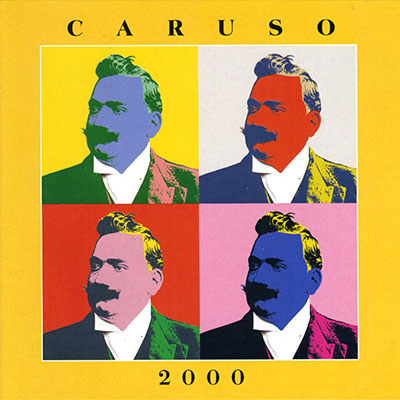
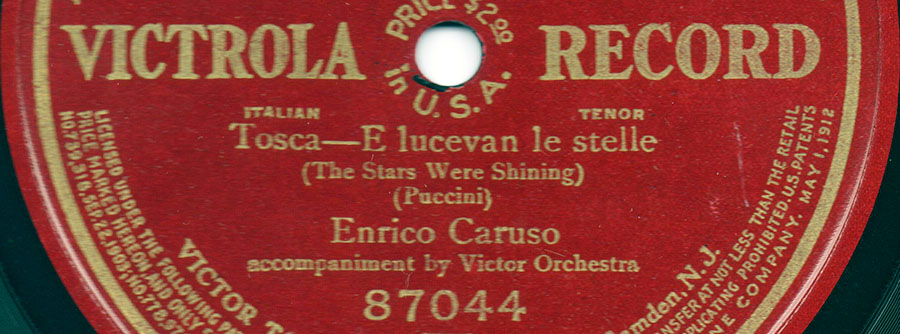
Fast forward some twenty-plus years, and I found myself considering a reappraisal of both the disc and the idea behind it. I had known for years that recording engineers in the 1930s had attempted essentially the same gimmick of dubbing modern (for the time) orchestral accompaniment over Caruso's original performances. I had also always assumed that the end result was likely even more of a disaster than the attempts made over sixty years later had proven to be. Then I stumbled upon a YouTube video showcasing the actual playback of one of these discs on a period Victrola, and I was immediately floored by how good it actually sounded. Despite the obvous limitations of the era, the engineers had succeeded in reinvigorating the older recording to a degree I had assumed to be unthinkable for the time period. Perhaps I needed to revisit my earlier dismissal of Caruso 2000. So I got my hands on a copy and sat down to give it my first legitimately critical listen from start to finish. And what follows are my thoughts on it, using my copy of Naxos's comprehensive Complete Recordings box set as a basis for comparison..
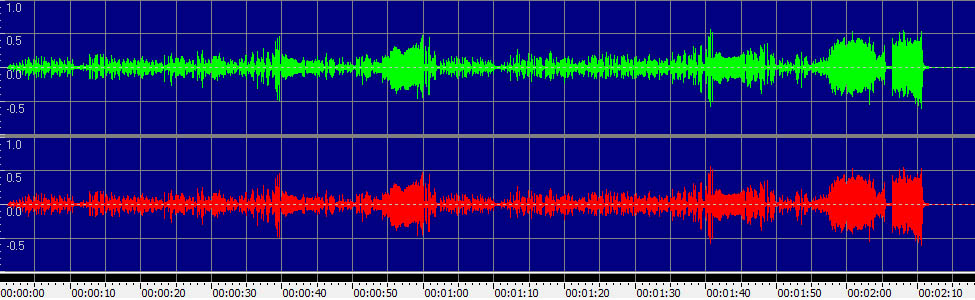
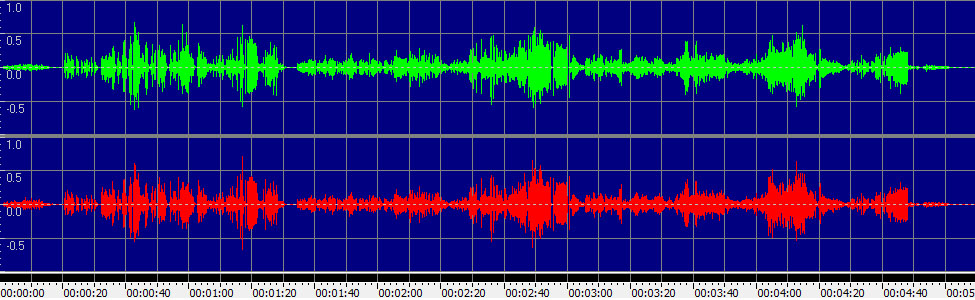
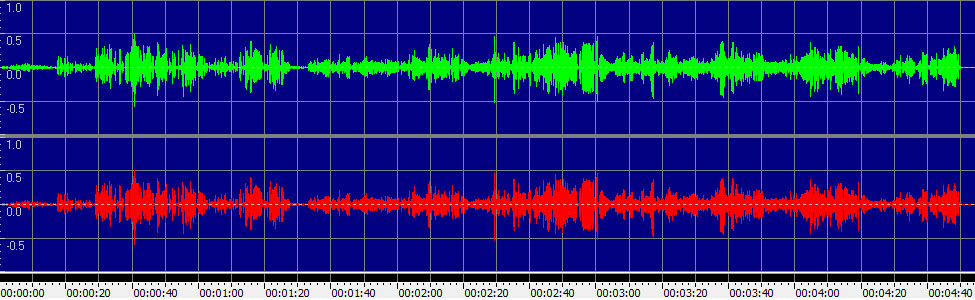
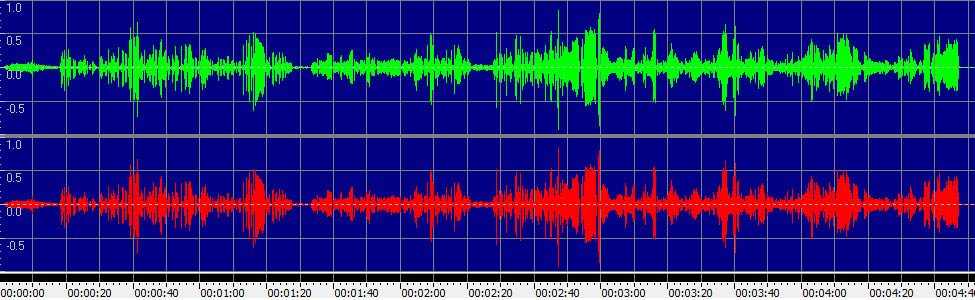
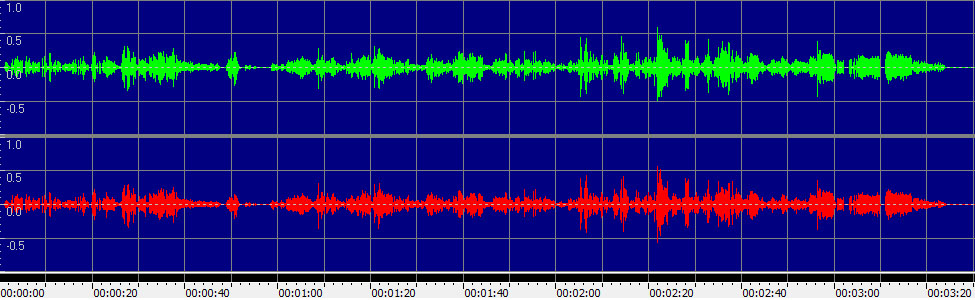
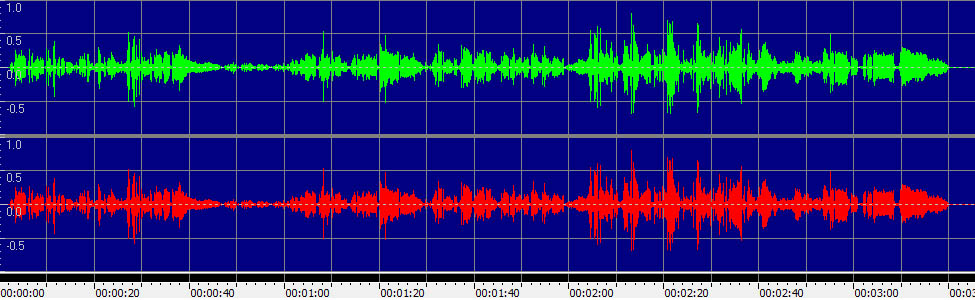
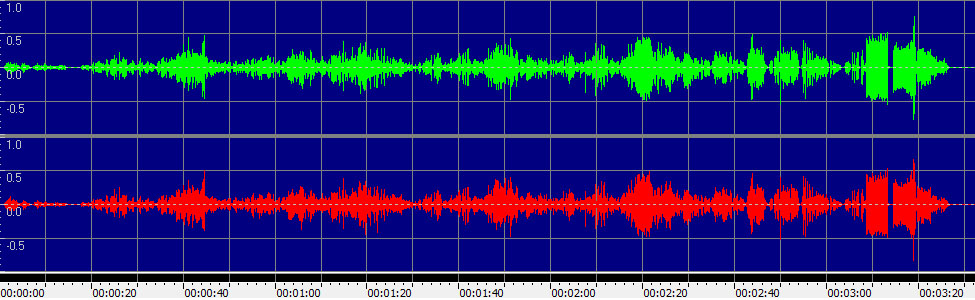
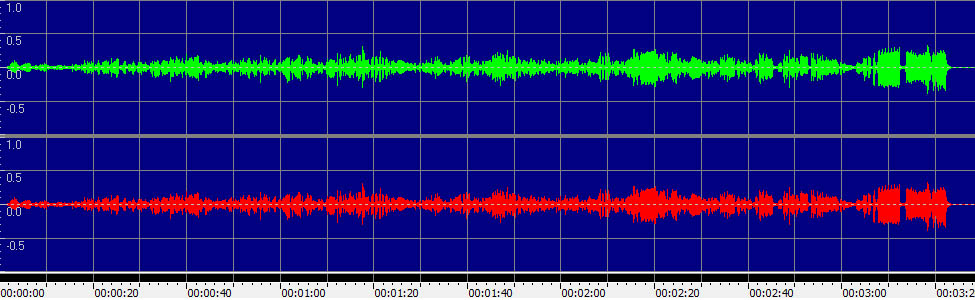
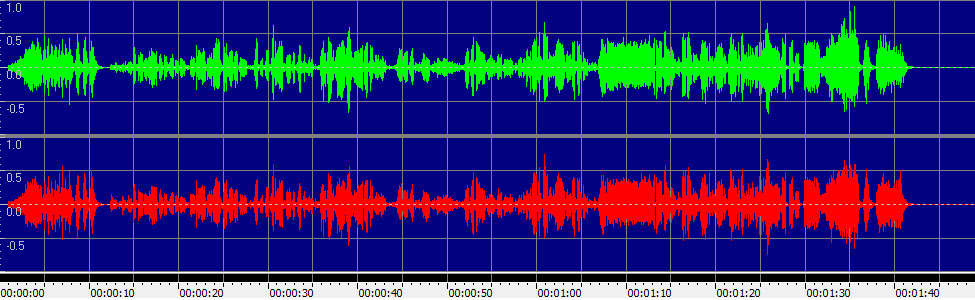
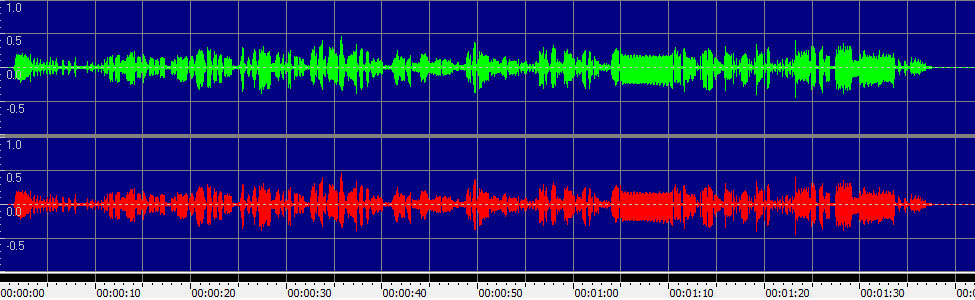
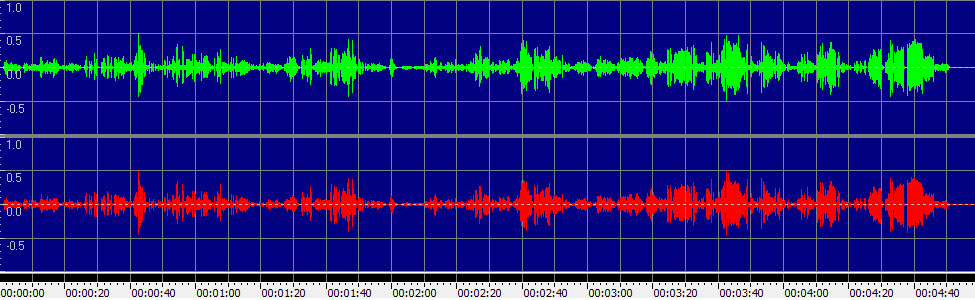
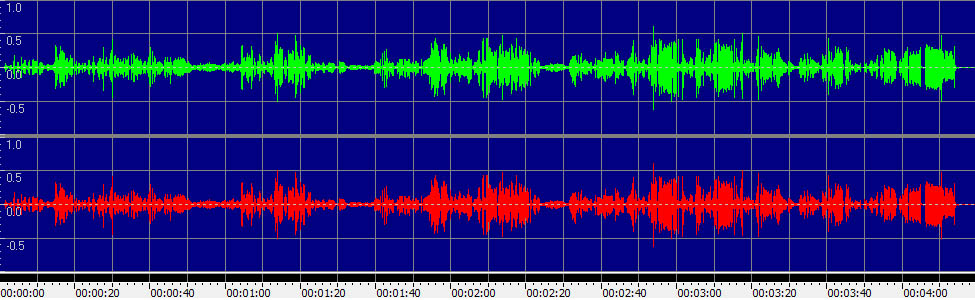
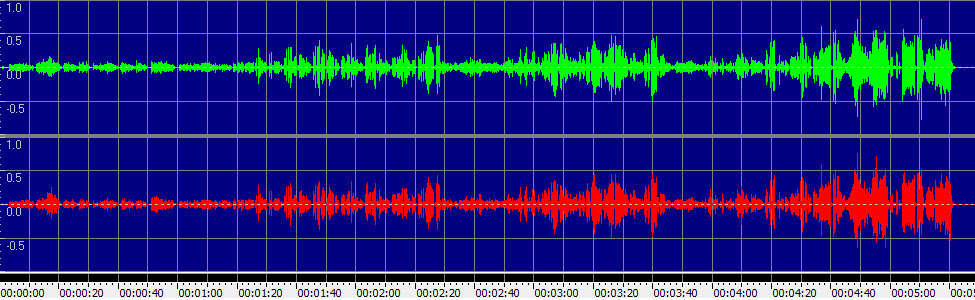
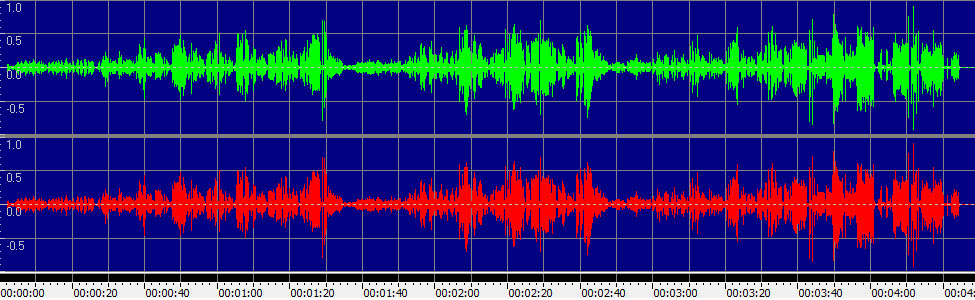
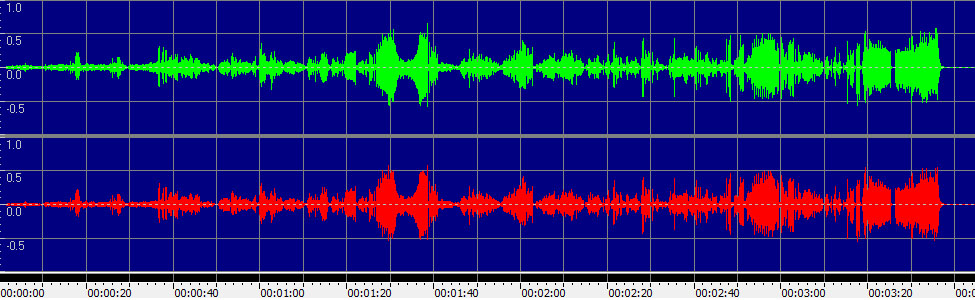
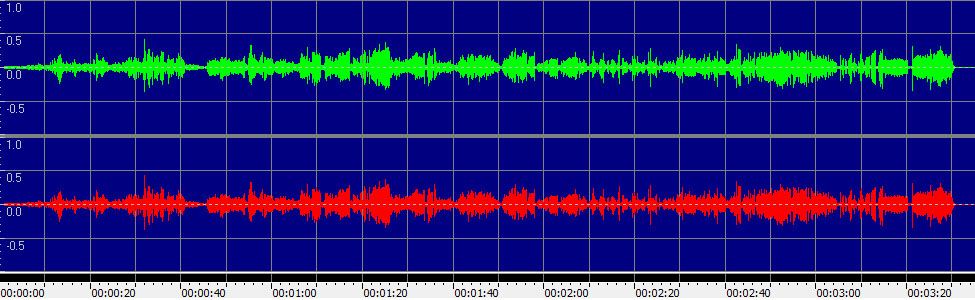
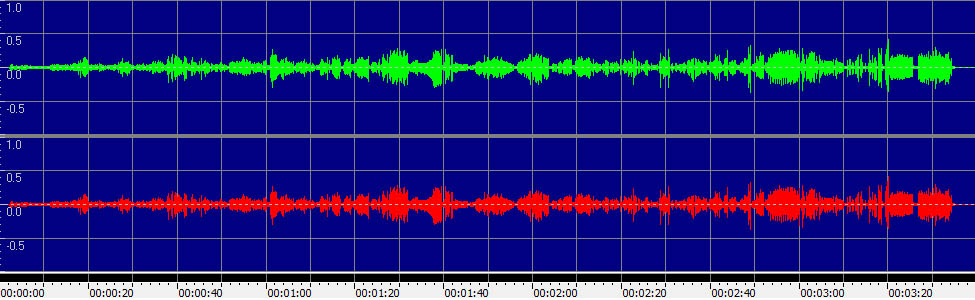
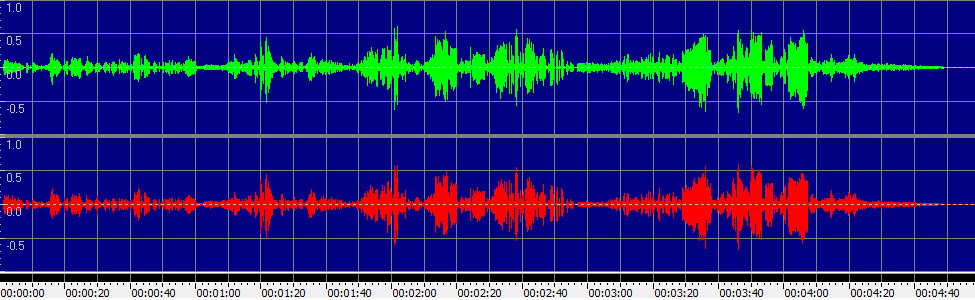
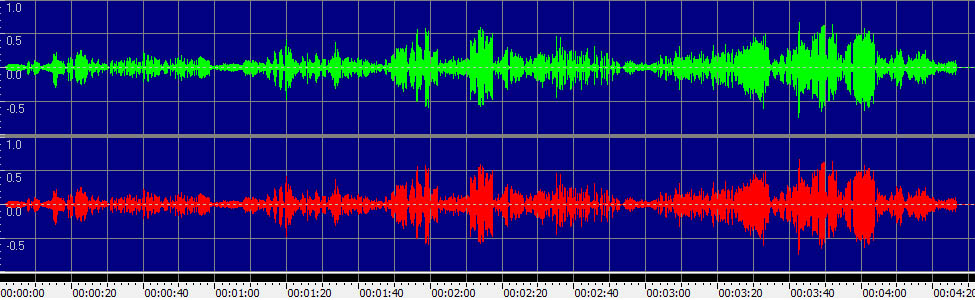
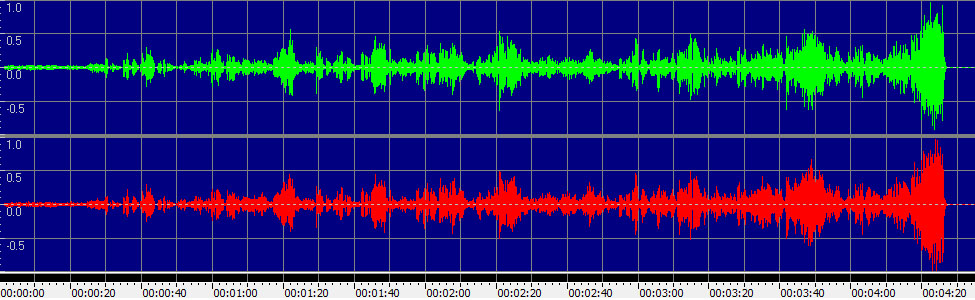
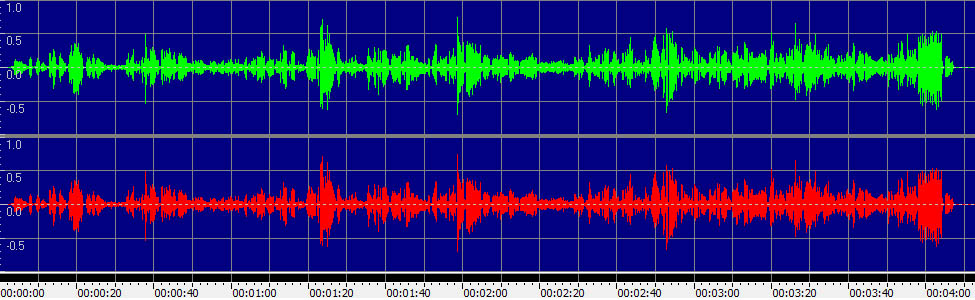
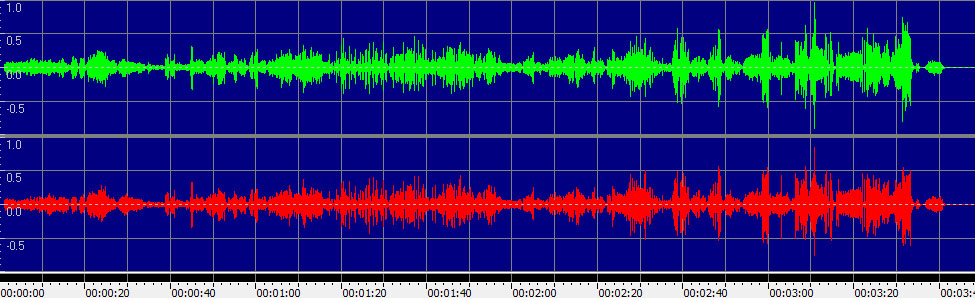
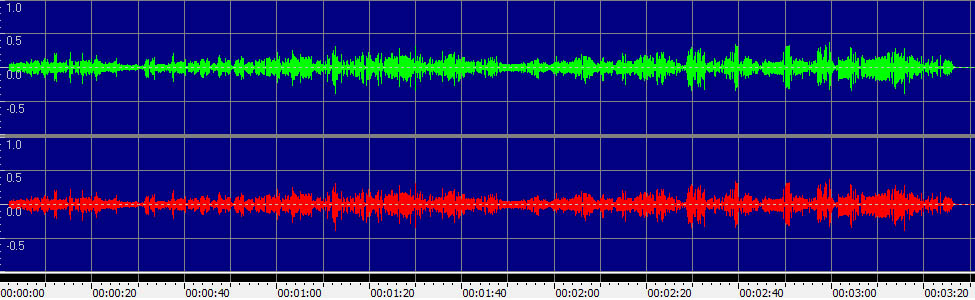
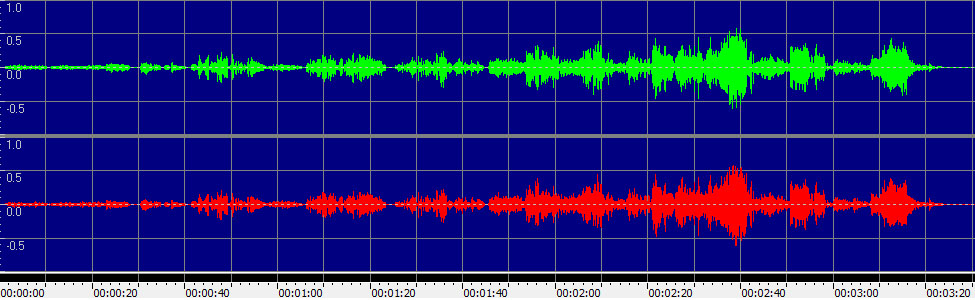
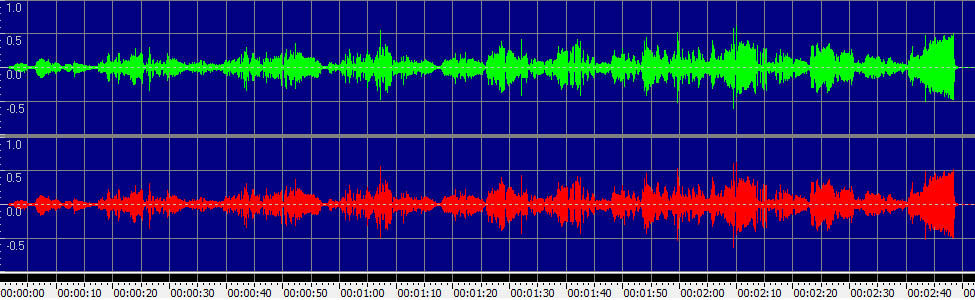
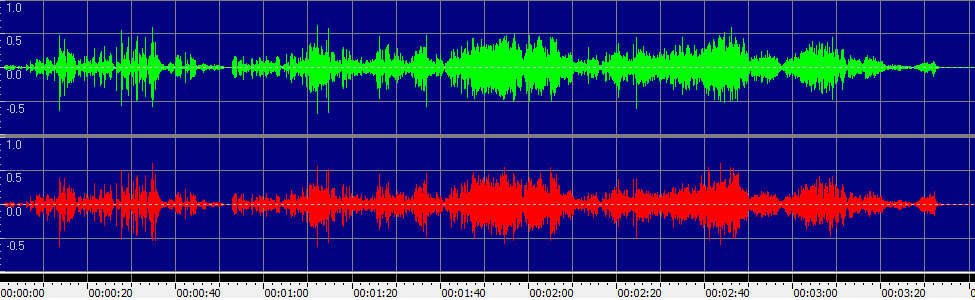
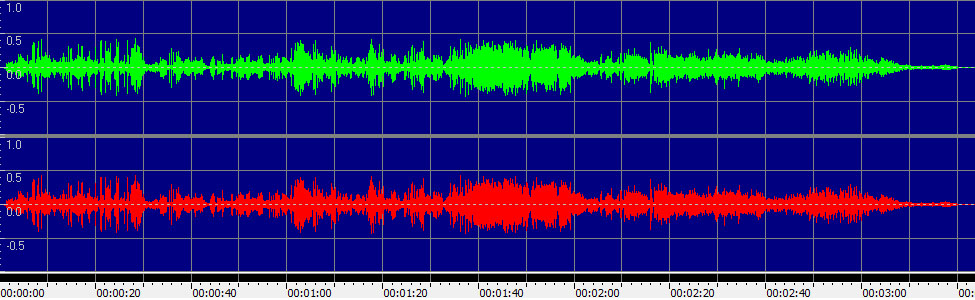
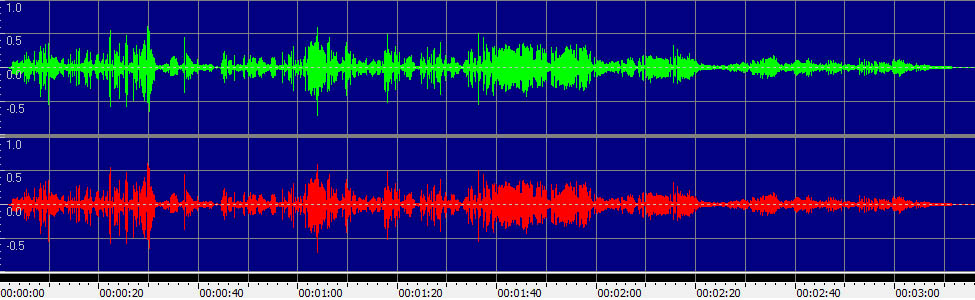
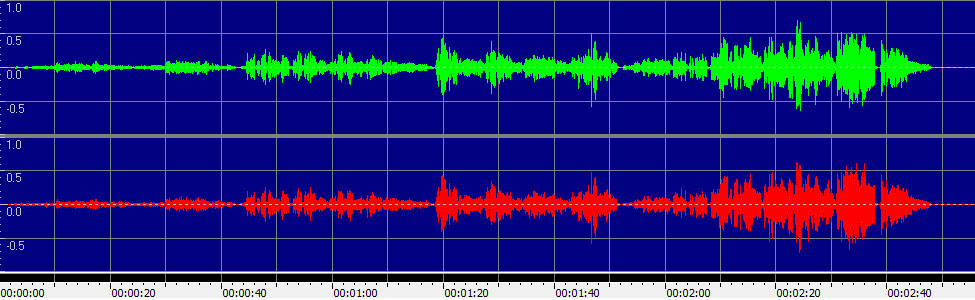
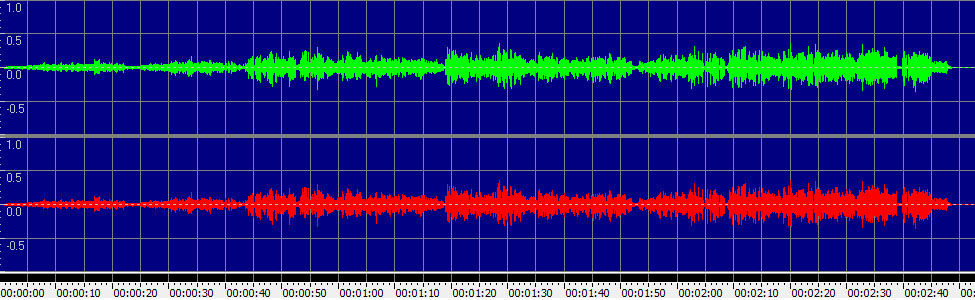
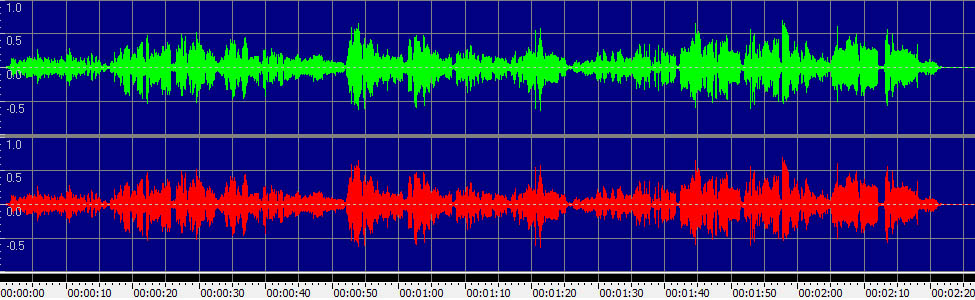
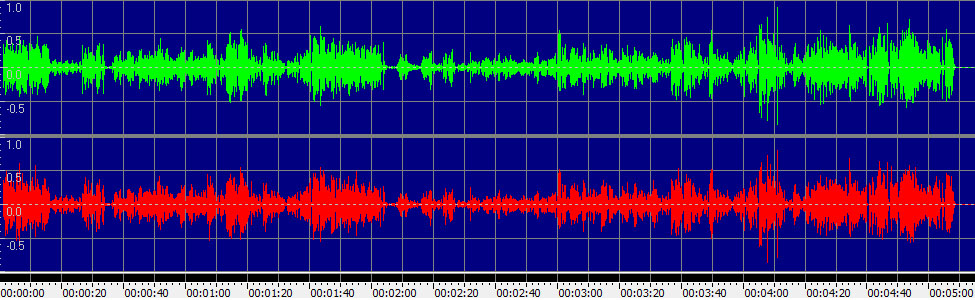
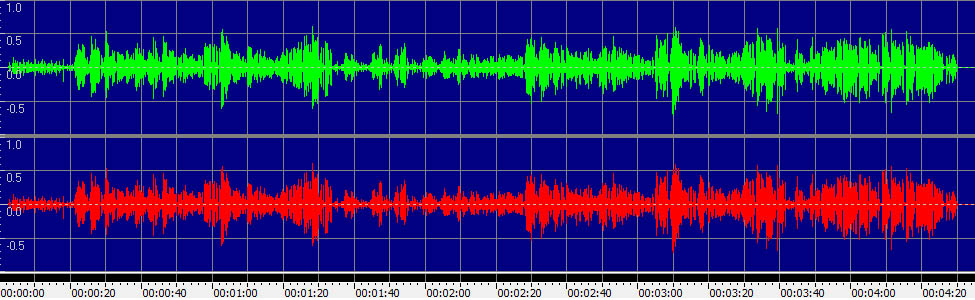
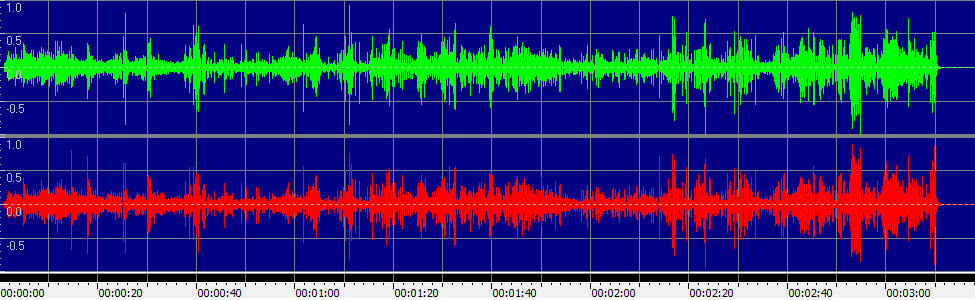
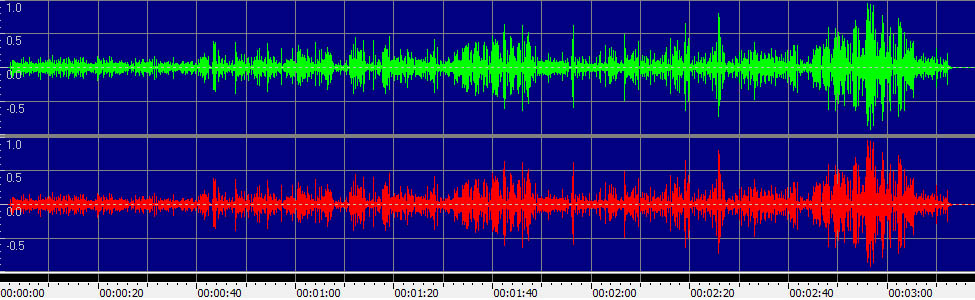
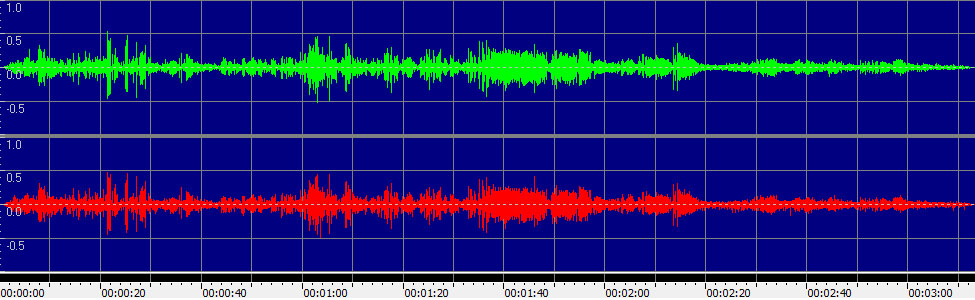
With those considerations out of the way, I'm going to give my thoughts on Caruso 2000 as a whole. I went into this comparison with a more open mind than I had on my initial (brief) listen in the early 2000s, but nevertheless expecting to view the end result as something of a misfire. And I have to say that my final impression doesn't really deviate from that original prediction. But before I go into the ways the album falls short, I want to point out the positives. First, there is the track listing. The selections featured appear to have been chosen with an ear toward Caruso's development over the years, with later performances being favored over earlier ones even though it would presumably have been easier to work with the bare bones efforts of 1904 than the lushly orchestrated ones of the succeeding years. Many essential operatic numbers are here, including such classics as "La donna è mobile" and "Vesti la giubba." I personally would have liked for "Questa o quella" and "Libiamo, libiamo" (with Alma Gluck) to have been included as well. What we do have, though, is serviceable enough as an introduction to Caruso's work, albeit in a very significantly altered form. It's in the execution, not the track selection, that this release ultimately fails.
I also want to commend the Caruso 2000 engineers for producing a disc that is surprisingly listenable given the technical quality of what they had to work with. They haven't tried to "update" the tone of the original vocal recordings in a misguided attempt to distract from their acoustic origins. They've also managed to all but completely eliminate surface noise, and, impressively, to remove the original orchestrations to a degree that's honestly surprising given the state of late 1990s technology. But it's here that the album's biggest weakness hits you squarely over the head: the modern, digitally recorded orchestral arragements just don't work in conjunction with early twentieth century vocal recordings. Caruso's voice on this album just doesn't have the heft and gravitas needed to hold its own against the newer orchestral backing, because... how could it? After all, the vocal recordings themselves haven't changed, it's only the instrumentation behind them that has been updated. And no matter what degree of mental gymnastics one employs to try to bring the two together with any semblance of harmony, they simply don't sit right with each other. The most fitting adjective I can come up with to describe the presence of Caruso's voice here is "disembodied." The recording engineers are trying to combine what is essentially the fidelity of a man singing through an analog telephone receiver with that of a lush, living orchestra, and the final result just doesn't work because these two elements can't be made to fit together seamlessly. Imagine "Celeste Aida" or "Ah! Fuyez, douce image" performed by Luciano Pavarotti and you'll understand immediately why this doesn't work. The tonal issues here are simply insurmountable. And yet...
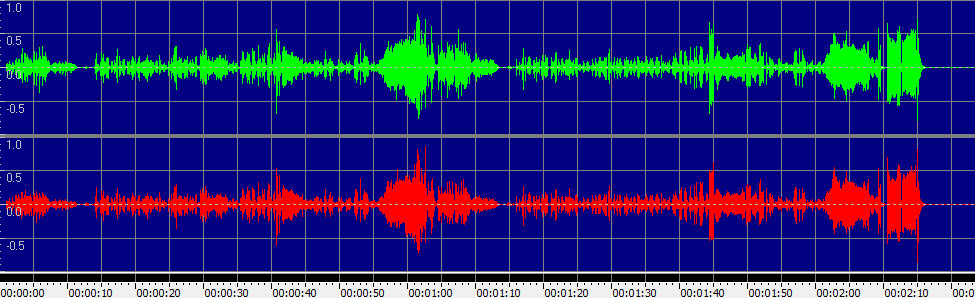
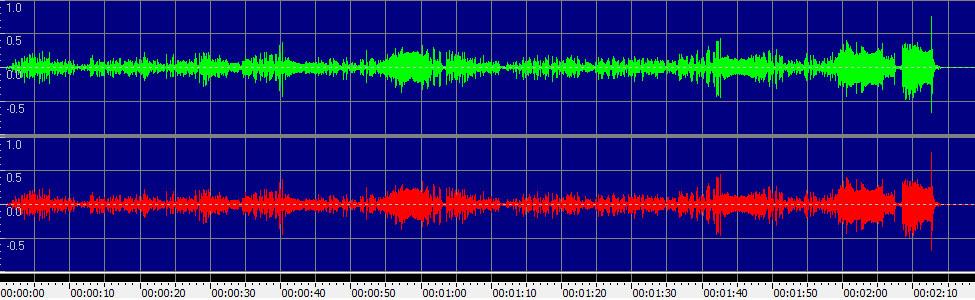
There's one aspect of my listening experience that came as a bit of a surprise. After listening to Caruso 2000 for a long enough period of time, I found it actually began to grow on me. My ears gradually re-tuned themselves to the jarring incongruities of the audio mix, and I slowly became more at peace with it. It was odd and wholly unexpected. The track selection works and so does the running order, and as I approached the final selection, I found myself actually impressed with just how well the producers and engineers had managed to pull off such a bold, daring concept. But then the final track played, an untouched recording of March 1907's "Vesti la giubba," and I was quickly brought back to reality. It's not so lush and full in its orchestration, but it sounds natural in a way that the re-dubbed version does not. I don't mean "natural" in the sense of accurately reproducing the sound of a live performance, but rather "natural" in the sense of overall cohesiveness1. It sounds appropriate for its era. As much as I respect the motives of the team that produced 2000, it's very unlikely that this genre of music is ever going to appeal strongly to the masses in the twenty-first century. And those opera aficionados who are aware of and familiar with Caruso's work likely don't need their hands held in this way to fully appreciate him. So my final verdict remains as it was some twenty-odd years ago. For those of us accustomed to the sound of acoustic recordings, this disc is a misfire. A valiant effort, yes, but ultimately one of limited practical utility. I understand that many will disagree with this opinion, and that's fine. I do see why some fans of opera might value this disc, even with its incongruous, inharmonious attempts at melding ancient with modern. They can certainly continue to enjoy these late 1990s re-dubs. I will stick with my Naxos box set.
Before I end this review, there's one more thing I want to address, something unexpected that's come out of my reacquaintance with the ideas behind the creation of Caruso 2000. I already acknowledged the earlier 1930s attempts to "modernize" Caruso's recordings, and I commented in the introduction that what I heard of one such attempt in a YouTube video sounded surprisingly good. On the strength of that video, I went ahead and purchased a copy of Caruso: The Complete Electrical Re-Creations, a 1993 release which gathers all of those 1930s efforts onto a single, two disc volume. And I have to say that those re-dubbings actually sound much, much better to my ears than do their 1999 counterparts. The technology wasn't nearly as advanced, and you can easily hear when the acoustic recordings are faded in and out to minimize gramophone surface noise, but the sonic gulf between the original Victrola discs and the 1930s dubbed orchestra is far more narrow in comparison with Caruso 2000's more modern orchestra. I've found that I actually enjoy some of these more than I do their unadulterated counterparts on my Complete Recordings box set, practically heresy for someone who's normally an audio purist. It's easy to see why they sold as well as they did upon their original release dates. They pull off bridging the divide between acoustic and electric eras much more successfully, and the original acoustically recorded vocals don't sound so shrill and harsh as they do on Caruso 2000. If you're a Caurso aficionado, they're worth checking out.
Note:
1 The listening experience of the unadulterated "Vesti" is a bit off when listening through headphones. The pops and clicks, and indeed, the sound of the playback stylus tracking in the groove, are in a stereo field and track differently in the left and right channels, indicating that electrical playback equipment was used for the transfers. I didn't take this into consideration for my analysis, as it doesn't significantly affect the conclusion I've drawn. It does, however, suggest another reason why the 1930s re-dubs sound better.