
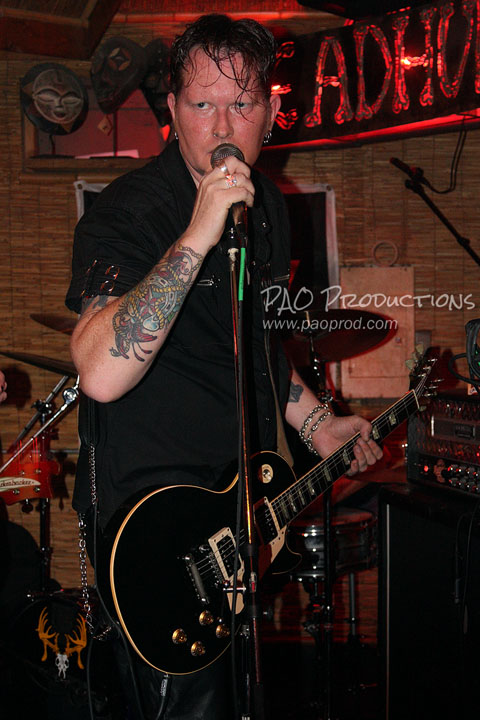
I kicked off 2009 with a truly incendiary show at the Vampire Lounge. Two nights later, I was back for a night featuring Severed Sol. I honestly don't remember why I went to that show, as the name Severed Sol conjures up absolutely nothing in my memory, and my only notable photos from that night were a few throwaway shots of model/photographer Amber DeVille posing with a lit candle. I continued to hit up the Skillman Street Pub fairly regularly, and I began to slowly broaden my circle of venues a bit. I had a new sometimes-companion to some of the shows now, the two of us spending quite a bit of time together. That person was the Cassie B. from my 2008 birthday party and the December 20th show at Lola's. Despite certain acquaintances' insinuations to the contrary, Cassie and I were never more than just best friends – I wasn't her type, and as for me, my affections definitely lay elsewhere, with a lovely lady in the scene who shall remain unnamed. Cassie accompanied me to performances by bands such as Red Pyramid, Sidekick Mafia, and the Opus Flux, and in March we made a weekend trip down to Austin during the SXSW festival. During the Austin trip we stopped in at Headhunters and saw a performance of the Blue Flames, a band which, I was pleased to learn, hailed originally from Dallas.
Cassie wasn't very good at holding her liquor, and it seemed to take only a single drink to make her tipsy. One night we attended an outdoor party for one of her coworkers, and she nearly drove off the road on the way to Deep Ellum and the Curtain Club, where she proceeded to order a second drink despite my admontions to take it easy. She would do what she wanted, and we ended up having a big argument at Cafe Brazil after the show. I had insisted we sit there for a while before she drove back to her apartment on the other side of town. Our friendship was overall a net positive, and she introduced me to some vegan and vegan-friendly places such as the Spiral Diner, which I would continue to frequent for a long time afterward, but the relationship ended abruptly and painfully when a jealous guy she met via a dating website came between us. I almost never had a companion accompany me to any shows after that, but in the first few months of 2009, things were good between us.
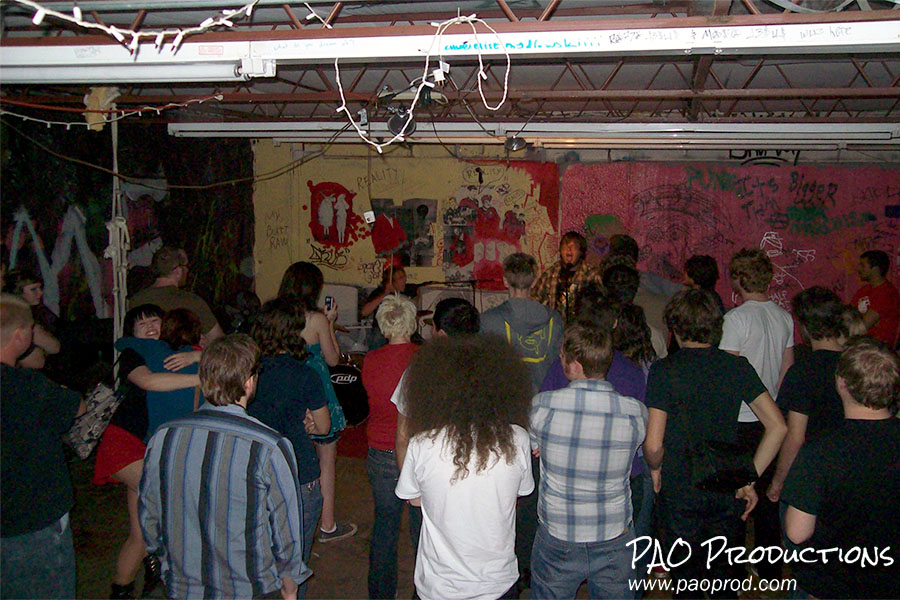
Cassie was obsessed with a group called Ghost Mice, a two-piece "folk punk" act from Indiana. They weren't really my cup of tea, but when she wanted to see them perform at Fort Worth's 1919 Hemphill, I agreed to go along. Hemphill was a very different type of venue compared to what I was accustomed to. Their philosophy was proudly non-conformist, rooted in ideals of collaboration and community space, whereas most all of the venues I'd attended previously were straight up capitalist ventures in the business of making money first and foremost. Upon our arrival, I found a very DIY space with paint and graffiti designs adorning the walls and wooden, bleacher style seating for those disinclined to stand. An act called Hoop Dreamz opened the show, followed by Benny Lenny and The County Lines, with Ghost Mice finally taking the stage at the end. None of the opening acts made enough of an impression on me to be remembered all these years later, no disrespect intended. What did make an impression was the collective's palpable anti-corporate ethos and the underground aesthetic that unified all the acts booked that evening, including and especially the headliners Ghost Mice. This was something that resonated with me both then and now. But as far as photography went, it wasn't my scene, wasn't my crowd. Then again, a lot of the shows Cassie attended with me weren't really her cup of tea, either. This was still a time before I had met Emmeline or Ellen, and before I had gotten involved with running open mic nights that attracted the occasional singer-songwriter type. At this stage in the game, it was still mostly metal with some jazzy or punk-ish stuff thrown into the mix on occasion.
Sometime around the early months of 2009, Polly Wants a Popgun ceased to be a going concern. I don't remember there being a "final show" or any kind of big announcement made, it just... happened. A January 24th performance at the Liquid Lounge with Wolfcult Choir was the last I ever saw of them as a unit (ditto with Wolfcult Choir, though Kurtz will make a return later in this story). In the meantime, bassist Josh Armstrong of Reverent had joined an industrial metal outfit called Red Pyramid, which became one of my favorite local bands from my time in the scene, at least music wise. Personality wise, I found things to be severely lacking with the band. On guitar was Matthew from Reverent's twilight days, who had accompanied Josh over to the new project. Drummer Will Jaeger I never knew all that well. Joseph Kosier was vocalist and songwriter; in essence, he was Red Pyramid. But I found his attitude toward music and the local scene very off-putting, and more than a touch too elitist for my taste.
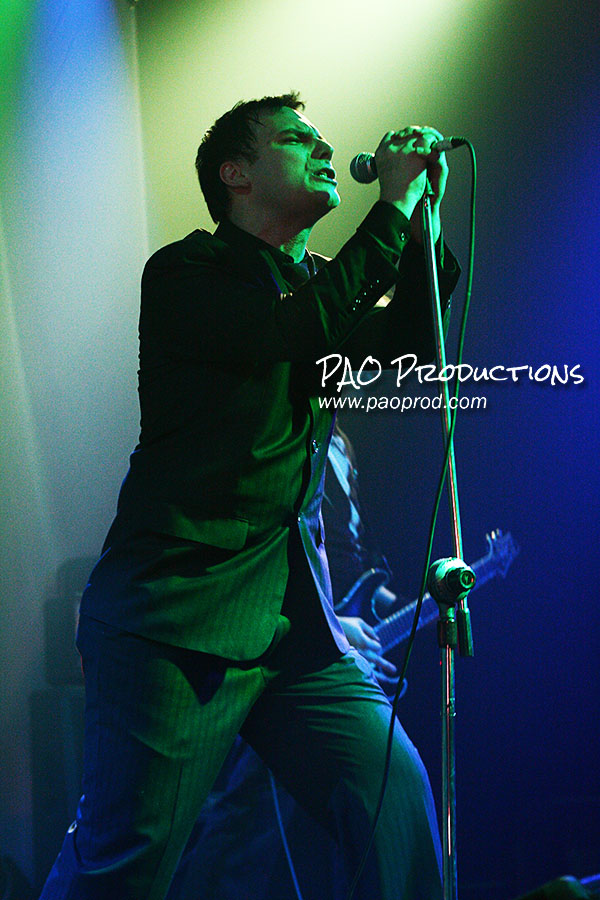
I distinctly remember Kosier making critical comments about Rivethead, suggesting that they didn't take their music seriously enough and arguing that they played too many "cheesy pop covers." I could have pointed out that those admittedly cheesy covers were great crowd-pleasers that left audiences feeling pumped up and exuberant, but I refrained from doing so given the setting we were in at the time. It's too bad – sometimes, apparent arrogance can be overlooked in the face of undeniable, raw talent. Other times, it can't be. Perhaps Kosier's perspective proved unpalatable for the rest of the band, as they would eventually leave the Red Pyramid project to form White Elephant. I remember seeing a Red Pyramid Facebook page with only Kosier, based in Austin if memory serves, and then the whole project seemed to disappear into the ether. It was an unfortunate waste, because I always thought Red Pyramid had a great deal of untapped potential. Kosier was a brilliant songwriter for his genre.
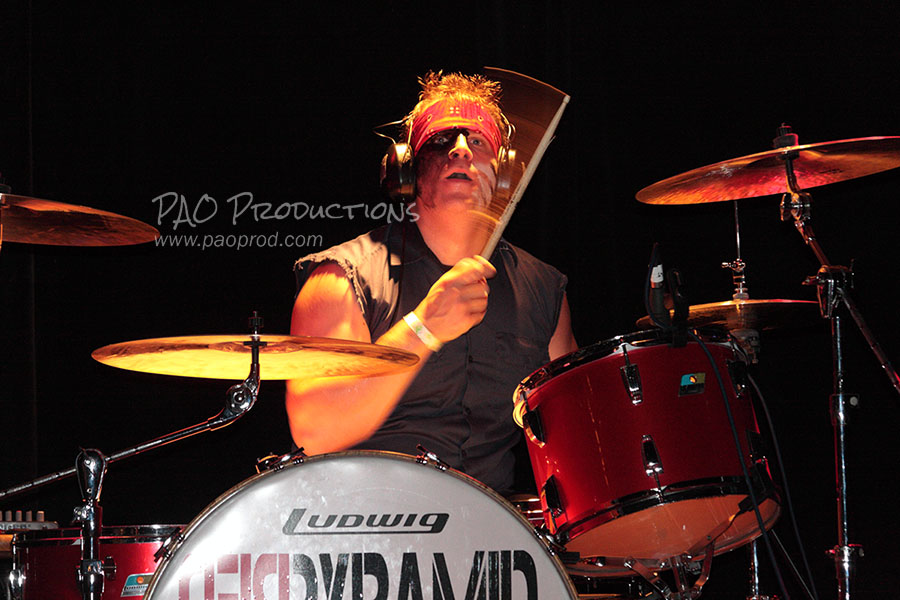
In early 2009, being newly formed and as yet unproven, Red Pyramid was in need of band photos for their Myspace page. Due to my prior association with Reverent, my name soon came up. Through Josh an agreement was struck whereby I would give them some photos to use in exchange for my "official" photography page being added to their top friends. For those who don't remember or weren't around at the time, Myspace had a feature whereby users could pin a set number of connections to their home pages as preferred, or "top," friends. Being a working photographer in a part of the local music scene, I had to do what I could to get noticed. I say "working" somewhat tongue in cheek, as this was absolutely unpaid labor; hardly anyone doing what I was doing ever saw a cent of monetary revenue come in. The most you could generally hope for was some modicum of recognition for your work, and that recognition came from the performers themselves or from your peers in the scene as a whole. Your skill actually worked against you with respect to audiences: the more "badass" you made a band or performer look, the more credit that band or performer got from fans and the public at large for being so badass. The performers got the credit for what you produced, a frustrating reality that all of us in the hobby had to face on a daily basis. And more often than not, the bands failed to show significant appreciation for the notoriety your photos garnered for them. The rapid proliferation of inexpensive digital cameras like the Kodak Easyshare had kicked the bottom out of the market in the sense that photography as an occupation (or avocation) was rapidly losing its stature outside of portraiture, advertising, and weddings. Draw a large enough audience at a show, many members of which were now in possession of these cheap digital cameras, and the law of averages dictated that something of at least passable quality would come out of the experience and be posted for free onto social media. Shooting concerts, if you didn't work for a local magazine like Lit Monthly or Harder Beat, could be a largely thankless job. If you persisted with it, it had to be because you had a relationship established with a band, or because you loved doing it. At this point I still did, most of the time.
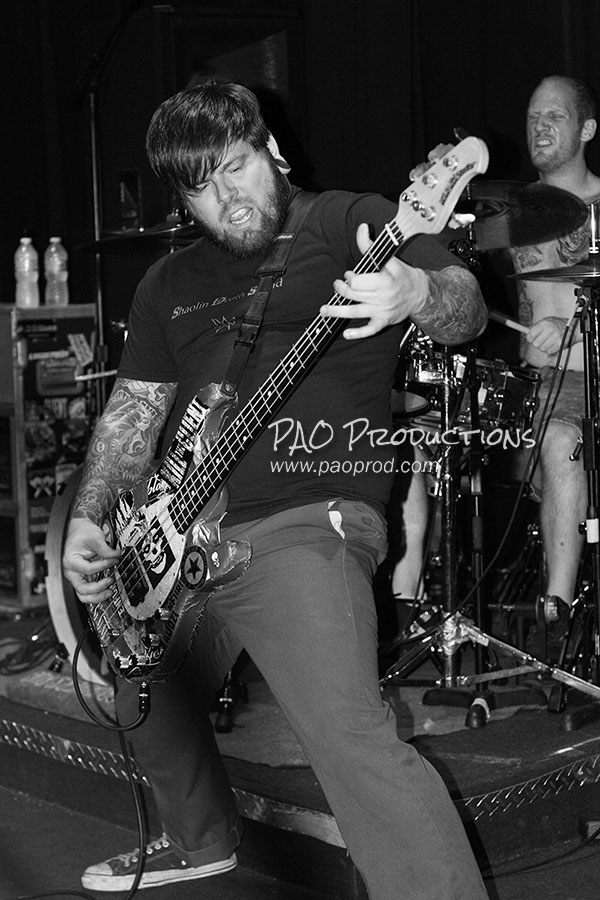
The Skillman Street Pub remained my primary venue in 2009, with the Curtain Club ranking at a fairly distant second. This made sense, given that getting entrance to the Pub was very easy for me and its commercial strip had great parking. Unfortunately, I was beginning to feel that things were stagnating. The number of exciting, or at least interesting, bands playing in the scene seemed to be hitting a plateau, at least as far as the ones I was familiar with, and the total number of shows I went to over the year declined nearly 30% compared to my peak year of 2008. Despite the increased number of venues I patronized, seven out of ten were places I only visited a single time, and many of the others only earned a cover charge from me twice. By the summer, I would be newly re-motivated by the receipt of some very welcome news; until then, I continued the grind, every now and then happening upon the occasional band whose work I appreciated amongst the gobs of mostly unmemorable acts. A pattern had begun to emerge whereby the acts I had the closest or best relationships with were disproportionately female-fronted. Looking back, I attribute this to a greater inclination toward meaningful social associations on the part of women as compared to men. It's a stereotype, yes, but stereotypes exist for a reason, and in my experience, this particular stereotype seems to have been borne out more often than not.
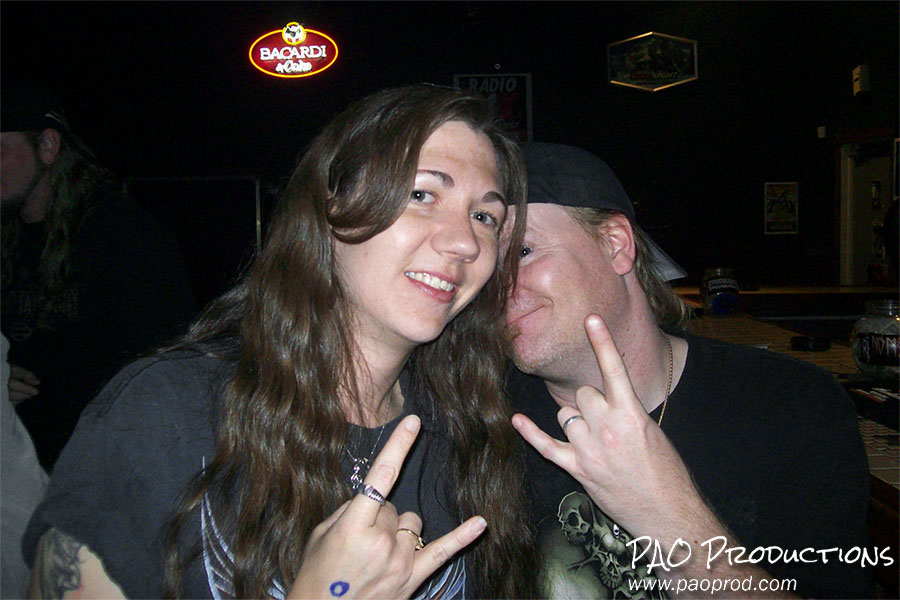
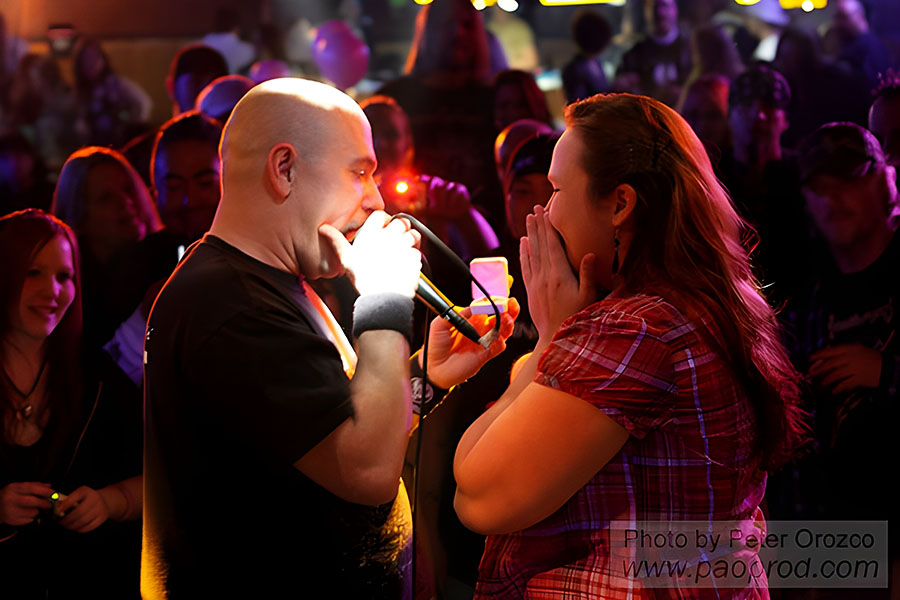
Of course, this apparent gravitational pull exerted by female-fronted acts and associates was never a hard and fast rule, and there were always plenty of exceptions. One of those exceptions was Rob of Guardiandam Music. On Valentine's Day, while Cassie and I were at a Guardiandam sponsored show at O'Riley's in north Dallas, Rob pulled me aside. He confided to me that, though married for years, he had never been able to afford a ring for his wife Steph, and on this night, he was going to present her with one as a surprise. He asked me if I could get up onto the stage with my camera to capture a photo of the big moment for him. Of course, I assented – honestly how could I refuse a request like that? I'd never climbed onto a stage before at any venue, and I never have since, but on that night I jumped up in front of the drum riser when I got the signal, and I captured the moment for posterity. I would go on to print an enlarged copy of the photo for Rob, and I've always remembered the beaming look on his face the day I surprised him with it. I believe he saw me as a genuine person, a rarity in a local scene which could be so very selfish and individualistic. Sometime afterward, Rob was fired as With These Words' manager, and I lost touch with him and Steph. They disappeared from the scene, never to be seen again. I've often wondered what happened to them; I hope they're doing well.
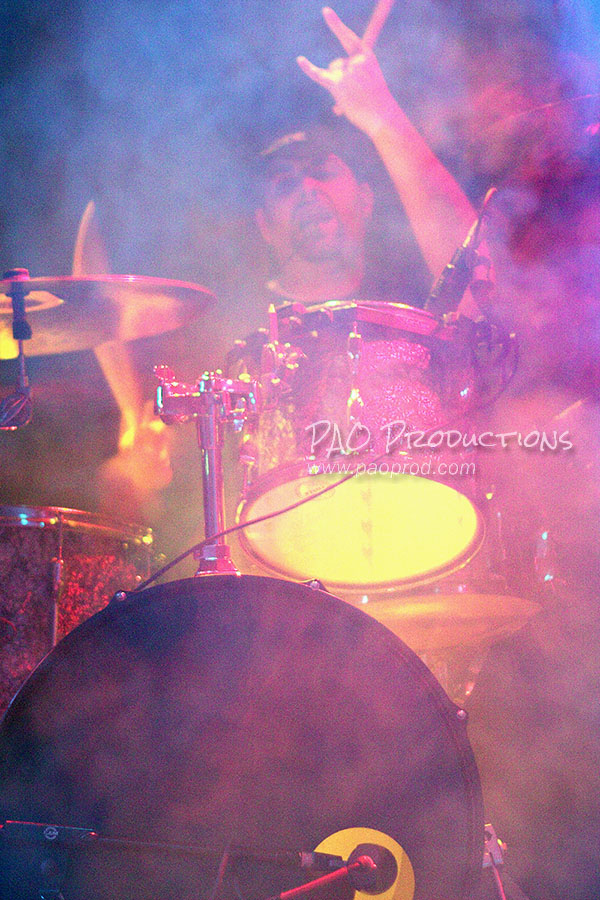
Coincide, the band who performed just after the ring presentation, was a power trio with some decent material and whose very personable lead singer Chris Bell was also the drummer in Fallen South. Chase Ditto's time in the latter band came to an end, and Fallen South went dormant for years, but Chris Bell's other, concurrent project with Fallen South guitarist Brandon Cox proved more difficult to kill. Bell was that rarity in rock music, a singing drummer who managed to perform his craft live, and he was pretty damn good at it. Here in the 21st century, singing drummers have a luxury not afforded to their predecessors such as Peter Rivera, Levon Helm, Karen Carpenter, or Eagles-era Don Henley: the wireless headset microphone. Likewise, those of us trying to photograph drummers (whether singing or otherwise) have the benefit today of improved optics and digital post production tools like RawTherapee and (with reservations) Photoshop to aid us after challenging performance environments.
When I got my first DSLR and the accompanying kit lens, the thing I missed the most about my vintage screw mount prime lenses was their wider aperture ranges. In the case of my standard 55mm screw mount lens, the aperture maxed out at f/1.4, a setting brighter than the human eye. A brighter aperture meant being able to pull in more light to counter the darkness and shadows of most of my venues, and it also meant being able throw the background more out of focus to better highlight on a targeted performer. Unfortunately, lenses that are really good for this are also expensive, and I wasn't exactly rolling in the dough at the time. The lens I lusted after the most was the Canon 70-200mm f/2.8L IS. Rich of Cerulean Photography had one, and I saw him parroting it about quite often during my early time in the scene, but at $2400 it was well outside of my price range at the time (and now!). I could mount my vintage lenses on the new camera via an adapter, but manual focus made them unbearable to use, and their longer lenses which enabled me to zoom had the additional requirement of a tripod, making them unviable in virtually every live environment.
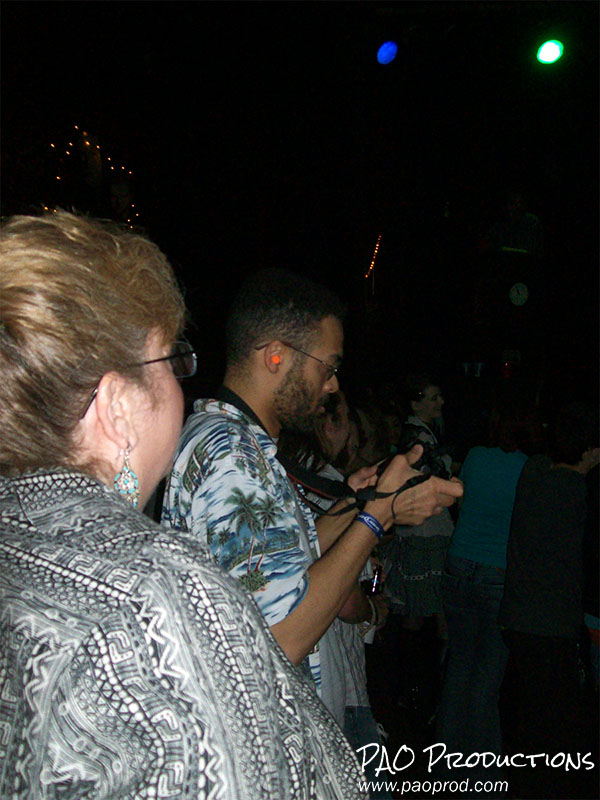
Over time, my technique evolved such that I regularly made use of a 50mm prime lens (a current one purchased for my DSLR, not vintage glass) and moved in close rather than attempting to shoot from afar via a telephoto/zoom. This approach helped with the omnipresent low light problem that all photographers in darkly lit clubs have to deal with, but it also put real constraints on my choice of subjects and framing. And it wasn't always possible to get as physically close as I'd like, particularly at the Skillman Street Pub where the "stage" area was practically at floor level. One of the tricks I employed to deal with this was mounting my older 35mm glass onto my DSLR. Not only did this provide me with additional lenses to work with (many of which had a superior aperture range), it also allowed for a bit of a cheat when I was unable to maneuver as close to the stage as I would like. But mounting lenses designed for 35mm cameras onto a digital camera with an APS-C sensor results in a crop factor of approximately 1.6x, which means that what's actually captured is zoomed in about 60% with respect to what you'd get using the lens on a film camera. The sensor on an APS-C camera is smaller than the size of a frame of 35mm film, so what gets recorded is the center 60% of the image that would otherwise be coming in through the lens (the exact percentage varies by manufacturer and system). This has the effect of zooming in that much closer to whatever you're shooting. In a live setting, I could stand ten feet from a performer and get the same photo I would have gotten at a distance of about six feet using the same lens on my 35mm camera, and I definitely made use of this trick at the Skillman Street Pub in particular.
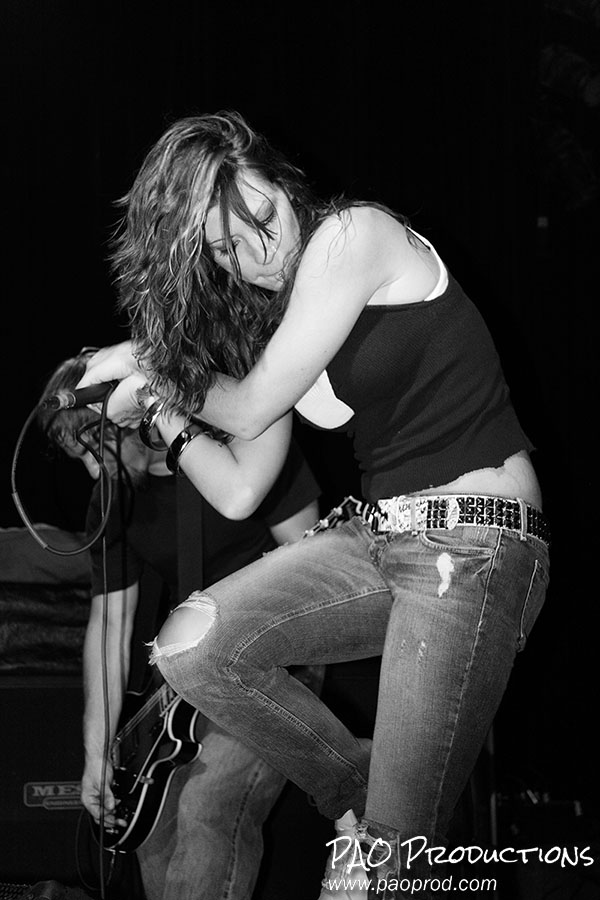
The great things about a prime (non-zoom) lens are greater sharpness and optical clarity at a given focal length, and a greatly increased flexibility with respect to aperture, which leads in turn to a greater control over depth of field. A large aperture can be a godsend in extremely difficult situations where lighting is far from ideal, where shooting "wide open" pulls in more light than what the human eye is capable of collecting. Combine this with a bit of work in post to correct the unnatural colors that result, and with such a strategy you can sometimes pull off the seemingly impossible shot without having the budget for top notch gear. All of us working the scene had our own strategies for dealing with the challenges of shooting in a club. Those could be lens tricks like the ones I've described, cameras that dialed up to ridiculously high ISOs, a personal human shield to protect against collisions with morons flung out of spontaneously formed mosh pits, an "in" with management to get onto the stage, or anything else conjured up in the brain of an active show photographer. We all pretty much recognized each other – Mina, Rich, Scott, Spike, Amy, Amber, Sara, and others I can't name because I only remember their faces. Eventually all of us would move on to other things, because in time you just get burned out. But around the middle of 2009 I got some news that relit much of the fire for me: Reverent was re-forming.

Reverent had been the band that had, albeit indirectly, given me my start with respect to show photography, and they had been my closest collaborators during my first nine months moving about the scene with my camera. I was disappointed with most of the material I had hitherto gotten of them, but now that I had better equipment and more experience using it, I was eager to exploit this new opportunity to do better with what had been one of my favorite local bands. But it wasn't quite the same band as before. Things change, and sometimes there's a revolving door through which musicians move on to other things or get kicked out, and that was the case here. With Josh and Matthew bound by existing obligations to Red Pyramid, their old positions in Reverent were filled by new bassist Adrian and lead guitarist Herb. Ryan was still there on drums, and of course P.J. and Melody also made their return to the fold. Melody would later tell me that P.J. had literally gotten down on his knees pleading with her to "make music together" again, and she had capitulated... with caveats. First, there would be changes made to the band's material and set list. I knew Melody had been in a bad place during the band's 2007 run, and she took it upon herself to soften the dark tone of some of the original song lyrics, replacing them with more positively oriented alternatives. This meant that the line "salvation the unreachable light" became "salvation the attainable light," and that their most brutal, hardcore song, "Never Tell," was dropped altogether. "Never Tell" had been one of my favorites in their catalog, and its omission from live performances became a huge disappointment. Overall, I felt that most of the lyrical changes didn't quite gel with the pessimistic spirit of Reverent's older material. As far as the newer material went, the new songs weren't bad, I just didn't like most of them quite as much as I had their predecessors. And naturally, the newer songs began more and more to edge out the old as time moved on.
With the band now reformed, I automatically stepped back into my old role as outside confidant and unofficial photographer. The first show I attended showcasing Reverent's new incarnation took place on September 4th at the Curtain Club. I brought along my old Hi8 video camera and set it up on the floor to record the performance, something which soon became standard practice for this go around with the band. They had definitely improved since my introduction to them in January 2007, although they were clearly a bit rusty when it came to performing in a live setting. At the end of the set, Ryan came up to me and his girlfriend Leah, who was standing near me in the audience, and the three of us had a great moment of camaraderie. Unfortunately, this spirit of renewed optimism wouldn't last. A situation I'm not at liberty to discuss led to Ryan being sacked, and it was from there that things – at least as far as my overall enthusiasm for Reverent was concerned – began a gradual decline.
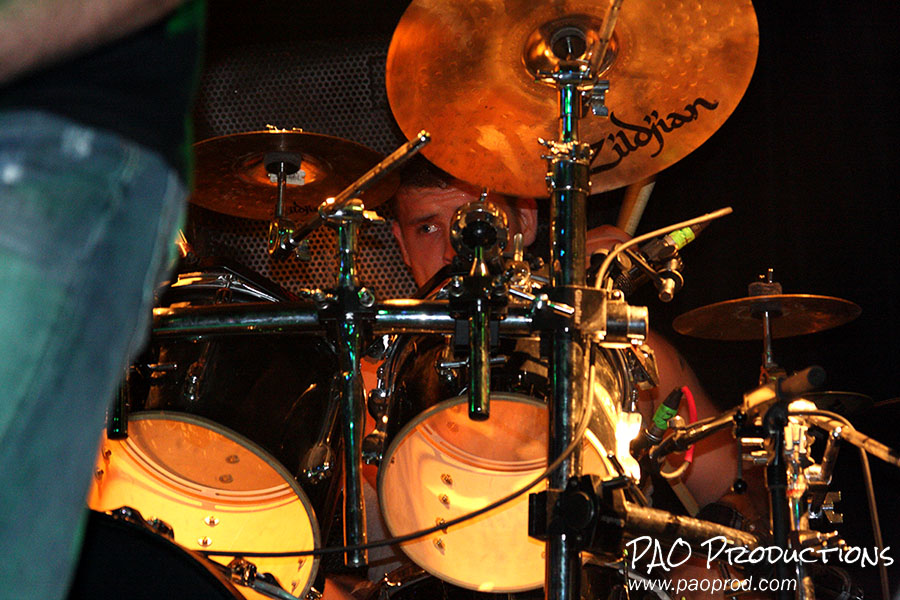
Ryan's replacement in Reverent was a drummer named Sneer. Full disclosure, I never cared for Sneer all that much. There was something about his personality that just didn't mesh very well with mine. It wasn't quite an oil and water situation, but I found things to be somewhat abrasive as far as how his disposition interacted with mine. He also didn't have the chops needed to pull off Ryan's old drum parts. He couldn't play the double bass pedals, wasn't super familiar with the material (to be fair, he was new), and his style was very basic and pedestrian, embracing absolutely none of the signature flair or bravado characterizing that of his predecessor. The more complex and colorful rhythms, rolls, and fills were gone, their places taken by basic, unimaginative routines where only the barest outlines were rooted in what had come before. I found Sneer's playing on Reverent classics such as "So Far" to be especially disappointing, given how much I'd loved the way those songs used to sound with Ryan behind the kit. This one change in lineup, more than any other single factor, neutered a lot of the band's musical vitality for me, and I had been to nearly every show they'd ever played. Still, life with the band continued.
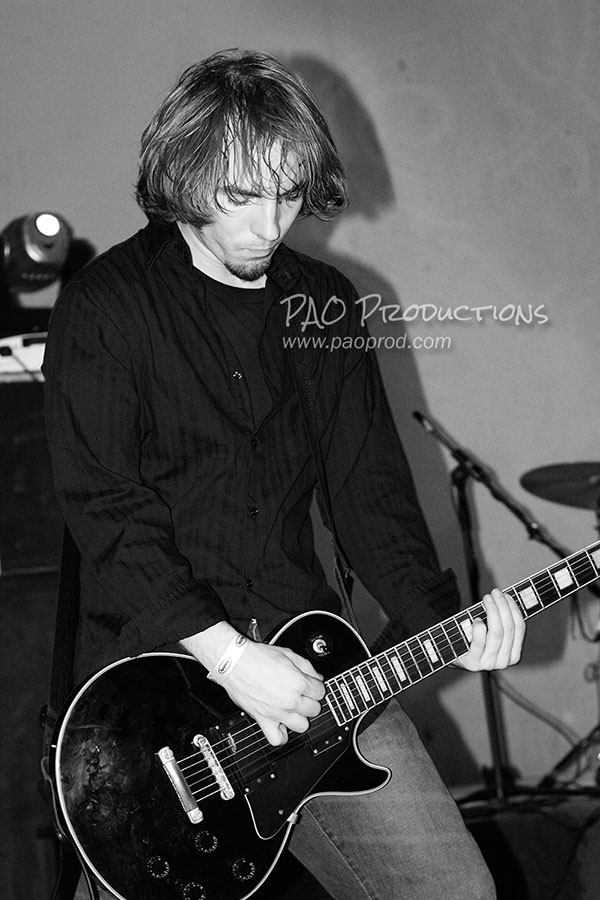
My other favorite band of the time, With These Words, was going through changes as well, or, rather, one really big change: singer Jessi Golden was expecting. I admit I was a bit surprised to hear about this from her brother Justin, and I tentatively wished congratulations... I hope? "Oh, she's thrilled about it," he assured me warmly. So this was good news. The crazy thing to me was that the pregnancy was already moving along when I'd photographed the band on September 5th at the SSP. Knowing Jessi as long as I have, I can now see it in the photos from that night, but at the time I hadn't yet noticed anything different about her. Over the past year or so, my relationship with the band had deepened quite a bit from where things had stood at the end of my first year in the scene. I had been over to Justin's home on one occasion. Jessi had been the one to buy me my first drink at the age of... well, that doesn't matter. The band's August 2008 CD release at the Skillman Street Pub had been a big success, and unlike so many instances where an artist's CD has proven to be a listening disappointment, the studio recordings on The Science of Loss did a decent job capturing the energy and exhilaration of their live performances. I say a decent job because in reality no studio recording could ever adequately reproduce that. And I speak here as someone who's heard a gaggle of With These Words studio recordings spanning a period of several years, who's heard the Science of Loss demos, and who has himself recorded the band in an acoustic setting.
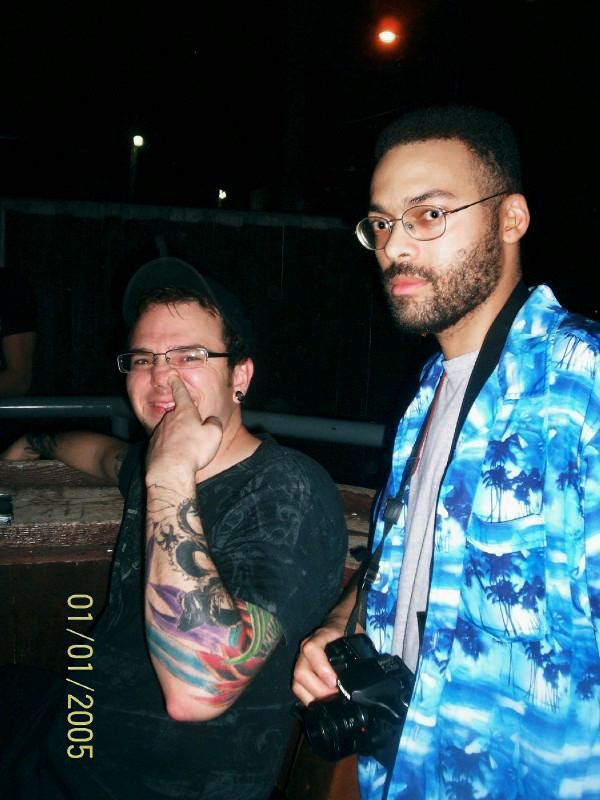
The aforementioned September 5th show was another "chick" show, something I assume a lot of female-fronted bands get steered into doing on a fairly regular basis. The acts booked were Deaf Angel, Resurrect, Silver Loves Mercury, and With These Words, the headlining act. Deaf Angel had a great singer in frontwoman Tina Downs, someone I never got to know very well. Silver Loves Mercury's singer would become a friend of mine years later and would come to figure quite prominently in my live photography, though at this early stage we didn't know anything about each other. Resurrect was a cookie monster metal band fronted by Mel Fleischer, who proved to be quite entertaining offstage. Mel and I were friendly for a decent length of time after meeting, mostly via Facebook (a platform I used at the time), but Resurrect would eventually break up for reasons I've never been clear about. Hopefully she and her husband/guitarist Will are doing well today.
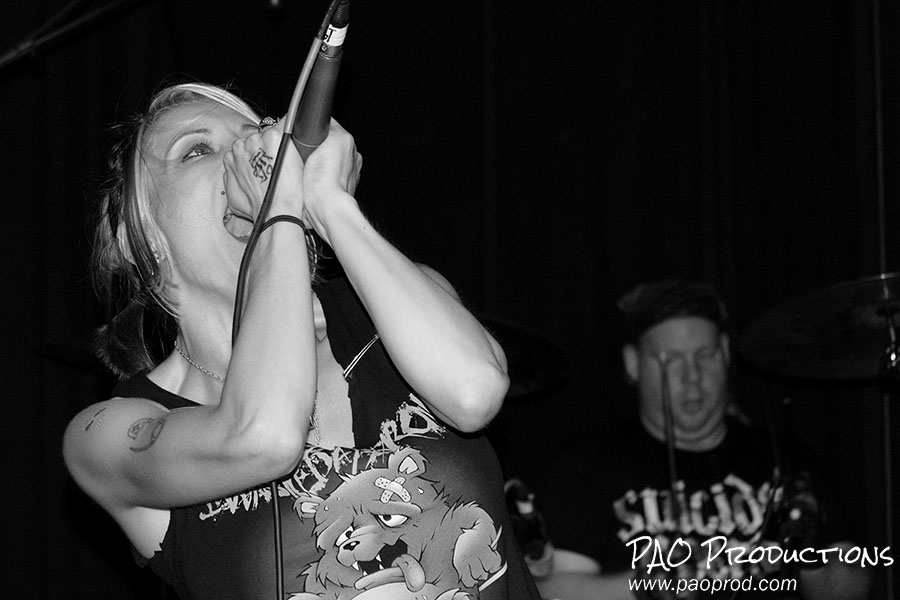
Because of their shared "chick band" status, Reverent and With These Words had played a not insignificant number of shows together in 2007, and this was again the case after Reverent reformed in 2009. Their final appearance together came in October that year, once again at the Skillman Street Pub. The theme of the night was Halloween. Melody and P.J. showed up in complementary Little Red Riding Hood and Big Bad Wolf attire, while Jessi appeared onstage as a self-described "preggo Britney Spears." This show also marked the début appearance of Eddie "Nice Guy" Thomaz on bass, replacing Phil Sahs following his departure that summer. It was overall a pretty good night for me: the audience was great, the choice of bands was great, and I did decently well behind the camera, photographically speaking. But the thing that has always stuck out the most in my mind was something a bit more uncomfortable: this was the one and only time I ever saw Jessi struggle onstage.
In all the years I've known her, across nearly two dozen venues and more than fifty performances, I've never seen Jessi Golden give anything less than her all onstage. She's always been the consummate performer – professional, high spirited, boldly confident, and almost always on point. But on this night, it seemed she'd overestimated her body's willingness to perform at the level she'd hitherto been at while onstage. With These Words had always had a very energetic presence when live, particularly when it came to their incendiary lead vocalist. This time, though, her body seemed to have said "nuh-uh!" and was asserting itself with a vengeance. Two and a half songs in, I and the other regular fans could tell she was getting tired. Another song in, as she would later admit to me, and she turned to the band and said "we have to get off this stage." With These Words proceeded to barrel through a truncated set before retreating from the stage, and they didn't perform again afterward until July of the following year, months after Jessi's son was born. A follow up to the SSP show was canceled, the only time I remember this happening across all the years I followed them. I was at Jessi's baby shower later that year. It was a good time.
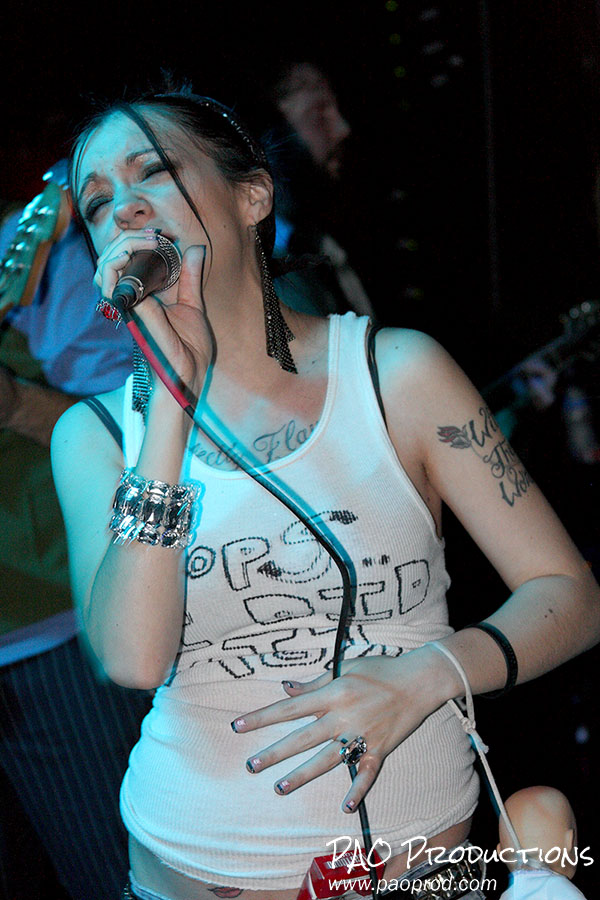
Before 2009 came to a close, I accepted my one and only ever commission for a promo shoot. Once Reverent 2.0 had a few shows under their belts, I was approached with a proposal: the band needed promo pics, and had decided to ask me if I would do them. This would be a paid job. Actual paying gigs for photographers working in the local scene are rare, so much so that in my case I can remember every time I was ever approached with a serious offer. There was one suggestion, via Rob of Guardiandam Music, that I shoot pics for Mourning Fury, but that had fallen through. There was also a proposal I received from a group called Nova Doll after I met their singer at a Curtain Club show, but that one fell through as well after I sent them a quote via Myspace. I received a reply advising me that they weren't interested in hiring me to photograph a full show and subsequently turn over all photos from the night to them to do with as they wanted; rather, they expected me to just show up (apparently paying to get in out of my own pocket) and take pictures from which they would make an offer for specific images. That's not the kind of deal that any photographer should accept, and it's emblematic of most musicians' lack of consideration for everything that goes into doing the job.
Despite some misgivings I had about whether I really had the chops for the Reverent assignment, I agreed to do it, and in late November we convened at the band's rehearsal space in North Richland Hills to take the photos. They had no idea what they wanted, only knew that they needed "promo pics," and left it entirely up to me to figure out what was needed. This is not the way these things are supposed to work – the band, or management, or someone who has a creative fire, is supposed to dictate what's required in keeping with the artists' desired image. The photographer is called in to capture that. Can this creative person and the photographer be the same individual? Absolutely, and that's likely the case in many instances. But in this instance, I hadn't been asked to come up with a game plan. I had arrived at the agreed upon location, the one chosen by the band, to find they had absolutely no idea of what they wanted done. I ended up just taking some pictures of the full band posed against an exterior wall along with various individual pics of each member standing on the grounds. All seemed pleased by the results, so I suppose it worked out in the end. One of the wall shots became the signature image on their flyers and stickers.
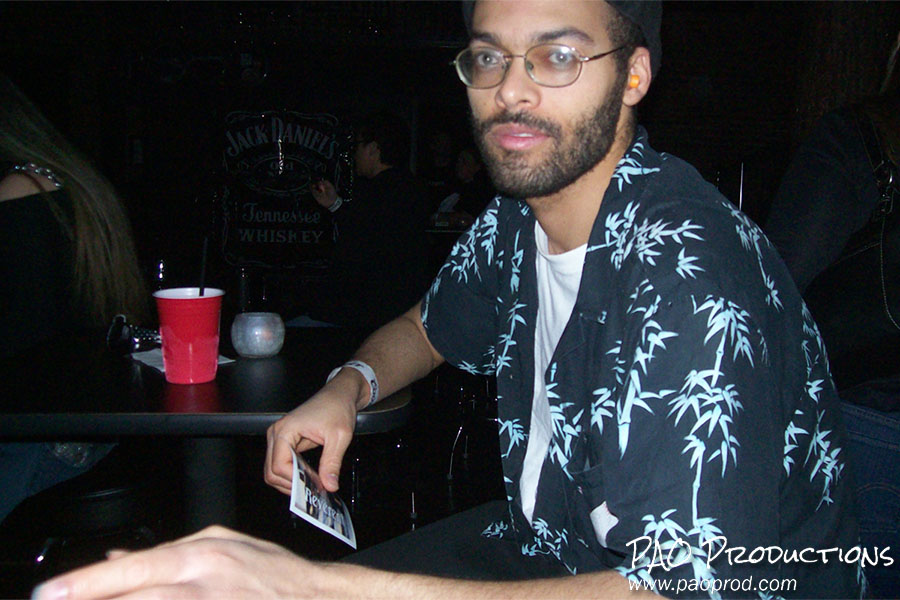
The year wrapped for me with a December show at the Ridglea Theater, a sixty mile drive from my apartment in Allen. I liked the venue, but the trip out to Fort Worth and back was tiresome. My enthusiasm for such commutes had dipped sharply over the preceding year, and would eventually wane to the point that me making a long excursion to see a band became a real rarity. On the other hand, I had gone to a couple of acoustically oriented nights at the City Tavern in downtown Dallas, and had attended a couple of sets by Alex Pogosov's musical project Scarletien at Dunn Bros. Coffee in Addison and at the Mochalux Coffee House in Arlington. Collectively, these more low-key performances were an early harbinger of a shift that would eventually take place in the kinds of venues I frequented. The larger clubs with the big bars and loud rock bands would give way more and more to smaller, more intimate venues such as coffee houses and ice cream parlors, to less aggressively presented singer-songwriter acts and cover bands. This wouldn't happen overnight, and the loud rockers would never be completely supplanted by the intimate tunesmiths, but the shift had quietly begun.
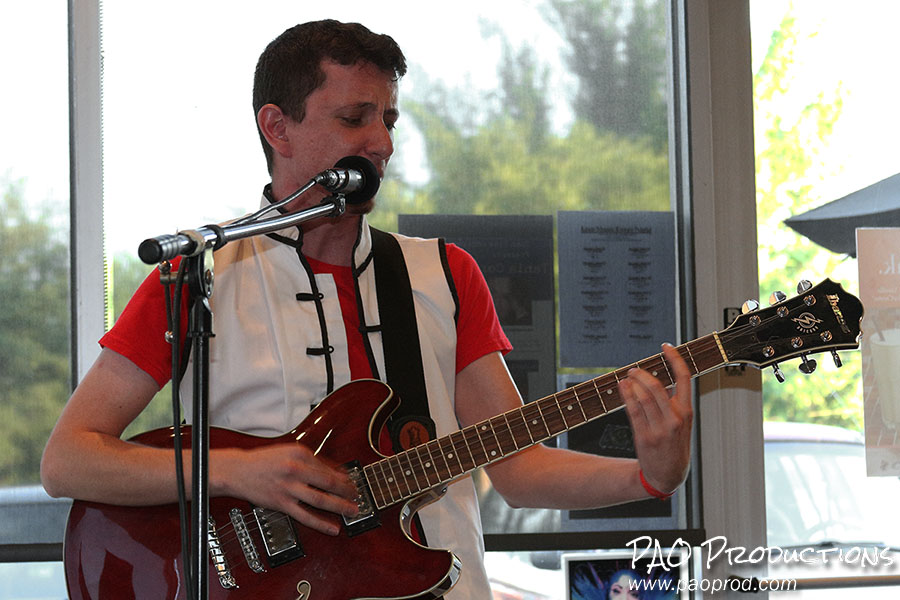
Sometime around the latter half of 2009, I saw Cricket Taylor perform at Johnny Olson's Mad Swirl Open Mic. It was a short acoustic set of five to ten minutes, just her and a guitar. Her gravelly, soulful vocal style immediately resonated with me, and as I looked into her music some more I found that she had been a bit of an on again, off again fixture in the Dallas music scene since the 1990s. Cricket herself was very affable and down to earth, that kind of personality that doesn't insult you with insincere amiability but instead approaches you as unpretentious and grounded, if still a bit aloof. Her performance style was heavily rooted in old Mississippi blues, quite a departure from the loud, generally aggressive punk and metal acts with which I had associated myself for the prior three years. Cricket's new band, the Electro-Magnetics, featured Kenny Withrow on guitar and Gerard Bendicks on drums and percussion. Gerard I was already familiar with as the backbone of Swirve, an improvisational jazz fusion outfit who bookended open mic sets at Mad Swirl. Kenny Withrow hailed from Ellum's renaissance days in the 1980s and early '90s, and had played originally with the New Bohemians. Together, the three of them made a great team.
My first bona fide Electro-Magnetics show took place on February 5, 2010 at the City Tavern. My photos from that night leave a lot to be desired; I hadn't been a huge fan of that upstairs area since an experience photographing Holy Diver there in June 2007. I fared about the same three weeks later at Dan's Silverleaf in Denton. The Silverleaf was something of a hole in the wall, just the kind of place one would expect three blocks away from the main square of a college town. These two shows, plus one more in August, would be the only times I'd ever photograph Cricket or her band. I saw them at the Kessler Theater and at the Sons of Hermann Hall, places where I didn't even attempt to take in a camera, followed by a final time at the City Tavern, which I chose not to photograph. I wouldn't shoot inside the City Tavern again for over a year and a half. But it seems that at least one of my Electro-Magnetics photos caught the attention of Big Gilson, a guitarist and promoter who was organizing a series of performances in South America. Through Cricket, he reached out to me, and I sent him one of my Tavern pics for use on promotional materials down there. This photo also ended up (unauthorized by me) on a YouTube video he uploaded in 2017.
Cricket's recorded material can be frustratingly difficult to acquire; it seems she has always had a "one and done" approach to her albums where once they go out of print, that's it. I'm fortunate to have acquired all of them over the years, and I have an autographed copy of the sole Electro-Magnetics release, Dirty, given to me by Cricket at the CD release in February 2011. Cricket later relocated out of Dallas. I still count myself as a fan, even though I haven't seen her in well over a decade.
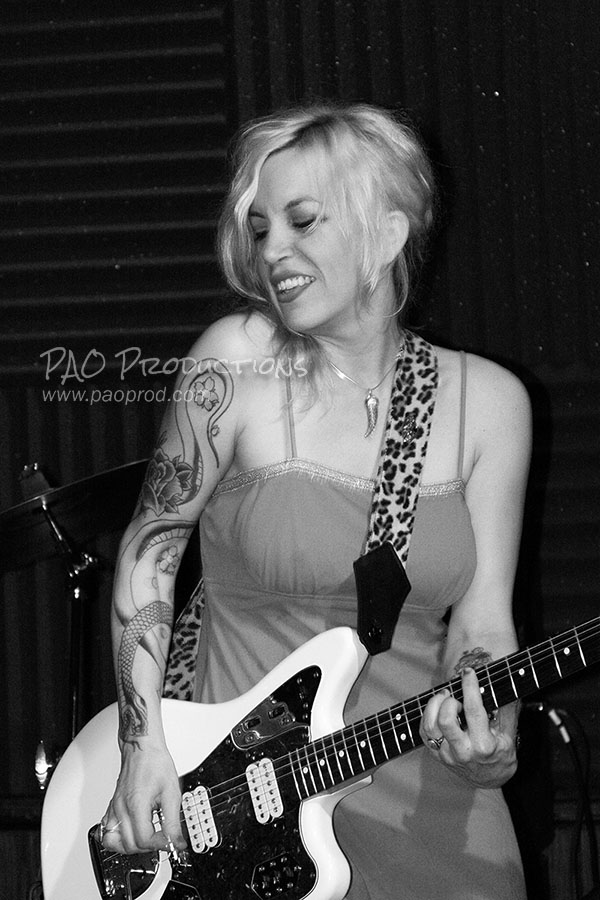
Around February 2010, I pitched the idea of creating a Reverent promotional DVD. I had some prior experience synchronizing audio and video following some events at Paperbacks Plus – strictly amateur level video productions, but ones good enough that I felt I was capable of putting together something more "official." I'd taken videos of several different live performances by now, and had gotten into the habit of burning them onto DVDs for the band after each show. We just needed there to be a performance at a venue from which a good quality soundboard recording could be obtained, something better than what the onboard microphone on a camcorder would pick up (this was 2010, and most existing consumer video equipment hadn't yet advanced to the point where circuitry would automatically adjust the volume level to prevent clipping distortion). I could then join the soundboard recording together with video footage.
The first viable opportunity to get such a recording was March 5, 2010 at the Curtain Club. Reverent was scheduled to follow the Transistor Tramps and Revolution of Knowledge, and P.J. made arrangements with the sound engineer to record the audio for the show. The video recording was done on my old Hi8 camcorder, HD camcorders being a bit expensive at this stage and none of us having one. In retrospect, I really wish I'd had a MiniDV camcorder for the show, which, while still standard definition, would have produced significantly better results in the video department. But at the time, Hi8 had to do. After the show, listening to the CD of the night's performance, both P.J. and I were disappointed at the quality of the audio mix. It was bad, a far cry from the excellent sounding recordings featured on the band's 2007 demo CDs, recordings which had come from the same venue in May of that year. I took the newly burned disc home with me and produced a full-length concert video which would be the basis for the final promotional DVD.
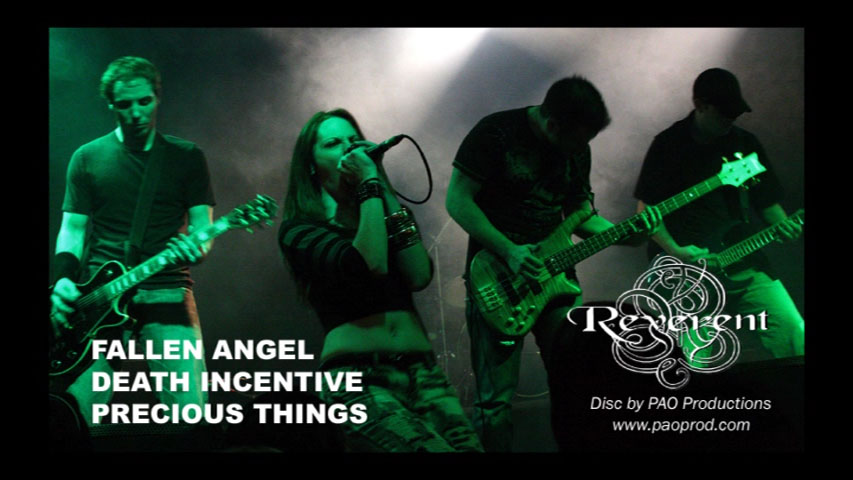
Viewing that DVD today, I'm not so sure that the finished product was a complimentary presentation of the band. Hi8 as a video format has poor low light performance and doesn't look good in a 16x9 aspect ratio (the video had been shot anamorphic to keep up with the cultural shift to widescreen). P.J. came over to my place and tried to work on the audio, but in truth there was nothing that could have saved it given the poor quality of the source material. We worked together on the overall design, deciding on which songs to include, and on how to format the DVD menus. The end result of these efforts was a three song promotional disc that would be handed out at future shows by the band, alongside some demo CDs featuring old material from Reverent's first incarnation in 2007. I remember getting negative feedback about the sound of the DVD audio mix and feeling stung by it. I had done what I could with what I had to work with, and what I had to work with simply wasn't up to snuff. I used my own photos of the band for all the disc menus. Those menus are the one aspect of the whole project that I remain the most satisfied with.
In May, The Air Between Us Turns to Ashes, Red Pyramid's debut (and only) CD dropped. I thought it sounded like crap. I'd had my issues with The Science of Loss as far as loud mastering and unnecessary vocal tampering, but in truth these were no more than the typical concerns I have with most albums from the current era of recordings. Ashes, however, was a travesty, a sonic disaster that was way too loud and hyper-compressed to the point of audible distortion. This was a real shame, especially given the otherwise high production values. Live, the band was incredible – super tight and always on point, asserting full, unalloyed authority on the stage; a live recording is what actually should have been released. But alas, being a supporter means you sometimes have to hold your nose and push ahead through mediocrity. I'd naturally bought a copy of the Red Pyramid disc immediately upon its release, and it did see fairly respectable play on my stereo systems despite its audio shortcomings. Not unexpectedly, P.J. and company were now contemplating their own physical album release, and they were unfortunately eyeing the same studio and producer who had undertaken Ashes. They really had no clue what they were doing, generally stumbling about and taking unsteady steps toward whatever direction they assumed they were "supposed" to be going. Josh's band had recorded an album at this guy's studio in San Antonio and it seemed to come out okay, so why shouldn't they do the same?
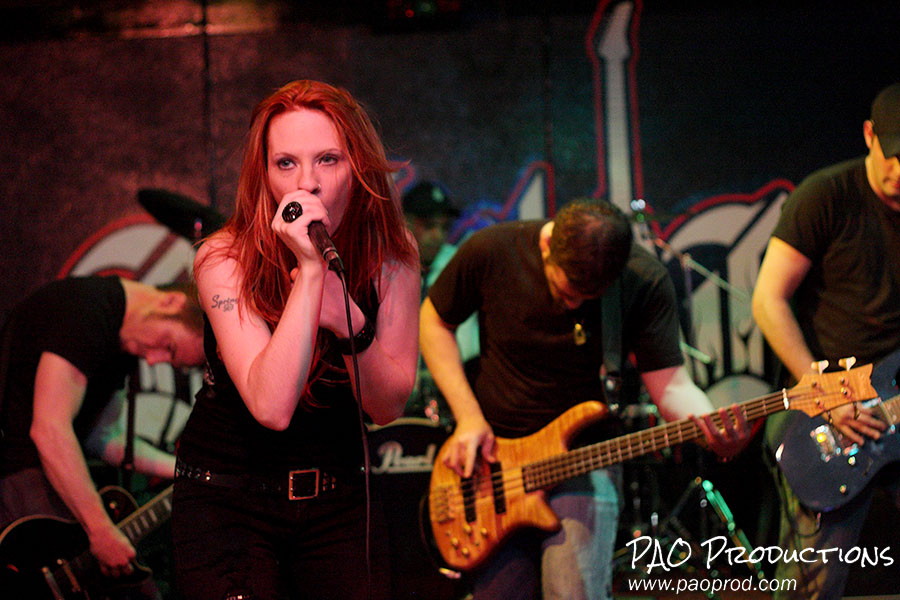
The thing was, the guy in San Antonio didn't do good work, at least not in my opinion. Yes, the production values underpinning Ashes were pretty good, save for the horribly over-compressed drums that sucked a ton of the life and power out of the recorded songs compared to their live counterparts. Well, that and the totally unnecessary digital effect overlaying the vocals, possibly a light application of autotune. And also the insanely high mastering levels that led to literally squared off waveforms on the final product. These songs kicked ass live. On the album, they were honestly saved only by the power of the performances and the songwriting (as I said before, I always thought very highly of Joseph Kozier as a songwriter despite his penchant for occasional unpleasantness). Now my closest artistic collaborators in the scene were talking about going down the same path. The 2007 Reverent recordings had been of varying quality, some of them produced using a single microphone in their rehearsal space, others taken from those great-sounding nights at the Curtain Club in May 2007. Near the end of Reverent 1.0, the band had worked with an aspiring producer outside of official recording studio channels, and with him had recorded an aborted EP. The results had been spectacularly bad. The original Reverent had gone out with a whimper, and, sadly, the same fate was about to befall the successor.
Reverent played their last ever show on July 2nd at the Curtain Club. The original magic had long since left the building for me, but I was still a loyal follower and supporter of the principal players in the band. The tensions within the group were starting to bubble up to the surface. P.J. had posted a racist meme on Facebook that had incurred Melody's wrath, P.J. being utterly clueless about the line between what was inappropriate and what was satire. Herb and Adrian seemed a bit disconnected to me, and I've already given my opinion on Sneer's contributions to the band dynamic. Nevertheless, they all piled in and headed down to San Antonio to record Reverent's official debut album. Maybe it was intended to be a full-length, maybe it was supposed to just be an EP – I don't honestly remember. What I do remember is that the recordings never publicly saw the light of day. The band fell apart, and Melody's and P.J.'s relationship turned sour with Melody lashing out at him on social media. This time it was clear the breakup was permanent. P.J. went on to play bass for Fort Worth-based band Pulse, while Herb eventually had a short stint in one of Chase Ditto's musical projects. Melody essentially retired from rock music. I don't know what happened to Adrian or Sneer. I eventually, courtesy of P.J., got my hands on Windows Media File encodes of the seven songs recorded at the San Antonio sessions; as expected, I found the final mixes to be deeply unsatisfying. I reached out to Melody, who'd never obtained copies of them before the group's final implosion, and in 2013 I sent them to her via e-mail. The delivery of those songs put the final nail into the Reverent coffin.
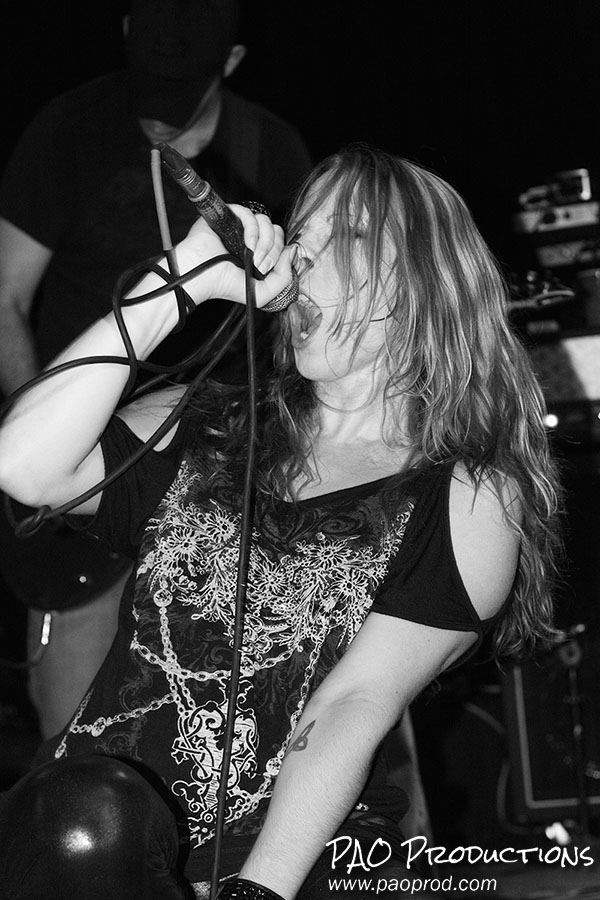
The Lost Art Open Mic began its run on May 2nd, 2010 at Bill's Records in Dallas. For the next thirteen months, my Sunday nights were to be dedicated to my responsibilities handing photography and videography. I increased my presence in the local open mic community by more frequently attending Mad Swirl Open Mic nights and by lending support at Paul Sexton's open mic nights at Mochalux Coffee in Arlington. Through Mochalux I met Emmeline Miles, a singer-songwriter and Radio Disney contributor with an angel's voice and a generally cheery disposition, and Mark Brandt, a virtuoso guitarist with fingers of fire and a collection of surprisingly emotive acoustic numbers up his sleeve. One of those numbers, eventually titled "Bad Motivator," was a blisteringly fast study in agility made all the more remarkable by the fact that Mark was a natural left-hander who had taught himself to play guitar right-handed. Both Mark and Emmeline became semi-regular contributors to Lost Art, and Emmeline in particular became one of my "staple" acts and a frequent target of my camera lens at coffee houses and smaller venues across the metroplex. This was a change from the alcohol drenched, hyperactive crowds and the mosh pits that had been par for the course up to that time, and to be honest the change was something of a welcome one. It got tiresome dealing with drunks and with moshing idiots at clubs, regardless of how much excitement they might contribute to a night's "vibe." It's not pleasant to be staring fixedly through a camera lens, mentally calculating adjustments on the fly to get a shot, only to have some fucking idiot who got flung out of a mosh pit suddenly come slamming into you from behind. This may not be a "metal" attitude on my part, but I don't particularly care. A majority of the people present for heavier music just want to enjoy the show and don't need a bunch of hyperactive Neanderthals trying to commandeer the floor space and put them potentially in harm's way. Very few places I shot at ever had bouncers or security people who actively controlled the mosh pits.
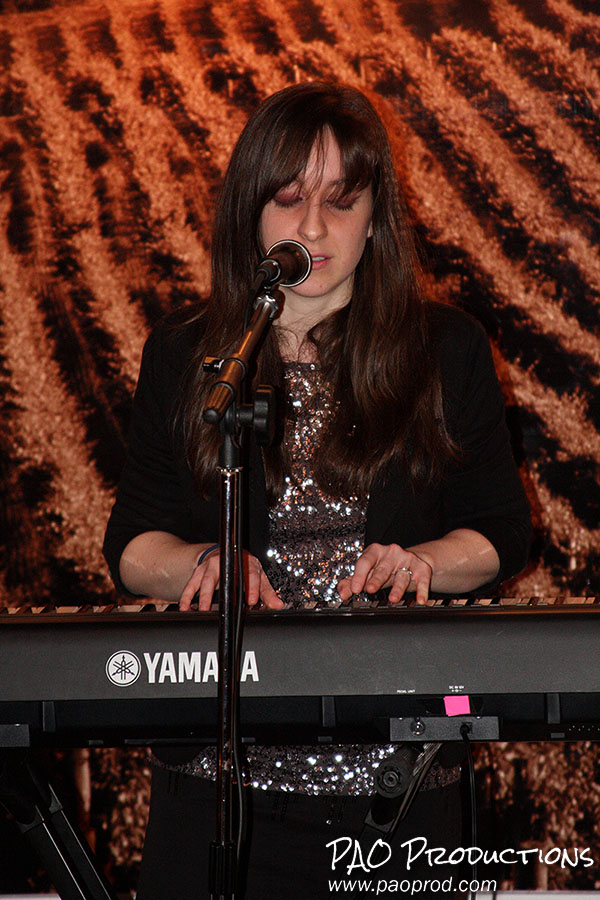
On June 4th, With These Words made their triumphant return to the stage, ending a seven month absence. The venue was a place in Fort Worth called the Rock Dogs Sports Bar, one of those unexceptional spots in the vein of the former O'Riley's in Dallas or the old Rockstar in south Fort Worth, or really any typical sports bar with live music. You've probably seen the type if you've spent any time out and about for drinks and football. It was good to see Jessi and company again, and they were as tight as ever. The months away from the stage had robbed them of none of their vitality or spirit. From this point onward, With These Words was the primary band with whom I associated as a photographer. Along with Emmeline and Ten Can Riot, they would dominate my live photographic activity for the remainder of 2010 and the entirety of 2011, with the total number of photos taken of With These Words ultimately surpassing anything I ever produced of any other act during my entire time in the music scene. Over time their sound had transitioned from a more hardcore, metal-edged style to more of a pop/punk one, the main catalyst for this likely being Justin Golden's entrance into the band as replacement for original guitarist and co-founder Jan Schefferlie. Jessi is one of those lyricists who can weave a tapestry of words while eschewing common conventions such as rhetorical platitudes or rhyming lyrics.
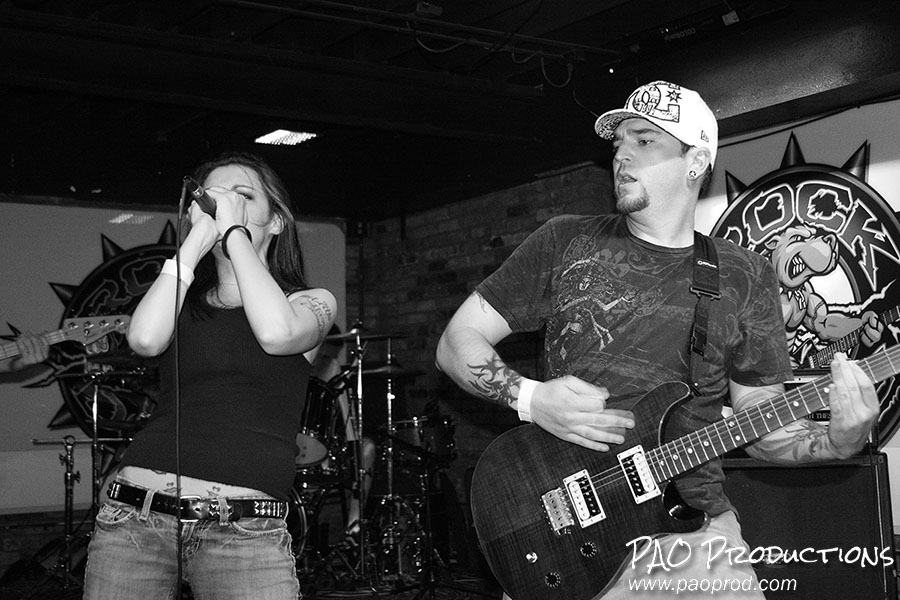
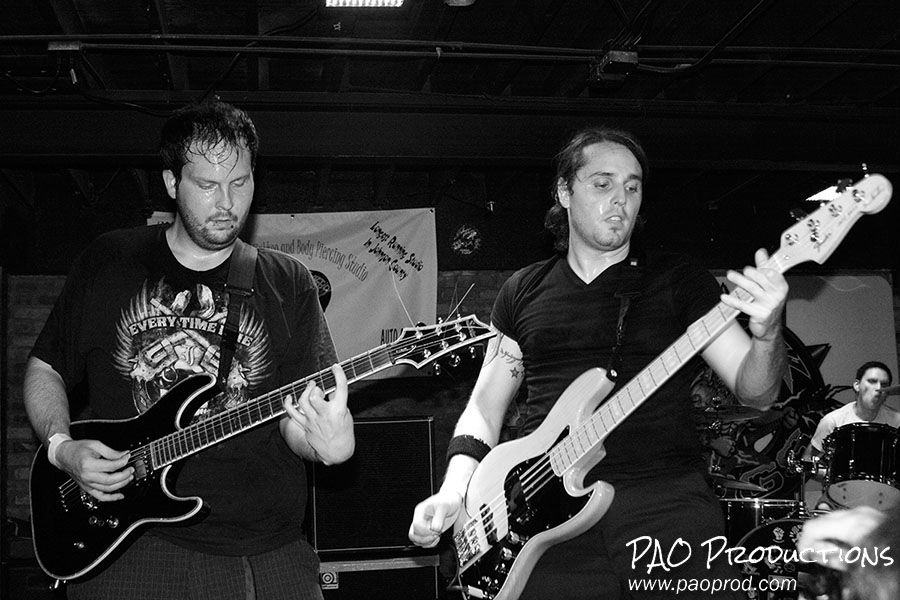
The latter months of 2010 went by largely unremarkably. I saw my final Red Pyramid show at the Curtain Club in early August. I attended my final show at the Skillman Street Pub at the beginning of October; naturally, it featured a With These Words performance. The Razorblade Dolls put on their annual Halloween show at the Curtain Club, with singer Chris "Smitty" Smith donning a bloody apron and rubber Richard Nixon mask sporting an elongated nose for the occasion. I saw industrial act Rivethead play three times during the latter half of the year; they would soon become favorites of mine, and years later I would have singer Steve Page and his family over to my place for dinner. I closed out 2010 with a Rivethead show at the Door, which was the "ballroom" end of a double-venue space which also included the Prophet Bar – not the original one, of course, but the successor one which had taken over the old Gypsy Tea Room space on Elm near Good-Latimer Expressway.
The pulse of my show attendance slowed down a bit while the efforts poured into the Lost Art Open Mic began to command more of my creative energies. By the end of the year, much of what had characterized my earlier time in the scene – many of the original faces and personalities; the succession of essentially nameless, faceless metal bands who all ran together in my mind; the frequency of long drives out to Fort Worth or outside the metroplex to see shows; the time spent practically interning at the Skillman Street Pub while honing my craft – most of this was now a thing of the past. What remained were a smaller, more curated collection of class acts and quality people, and the road ahead looked like it was about to lead in a different direction. I had solid relationships with artists I respected, and while I continued to occasionally see other acts whose work I appreciated, the primary focus now was on a handful on artists I had developed personal relationships with. This worked better for all involved, and would be my modus operandi for the remainder of my time in the scene.
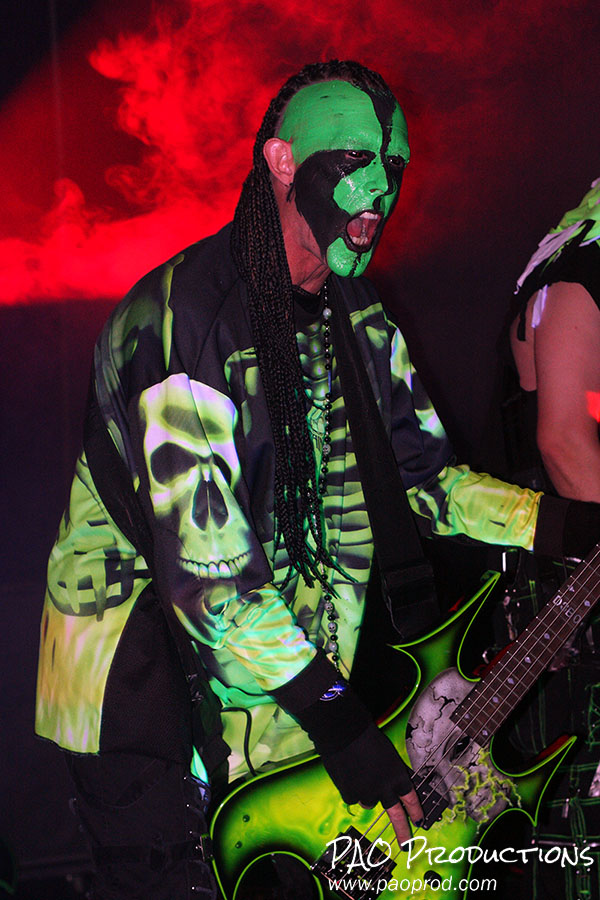
TO BE CONTINUED. . .