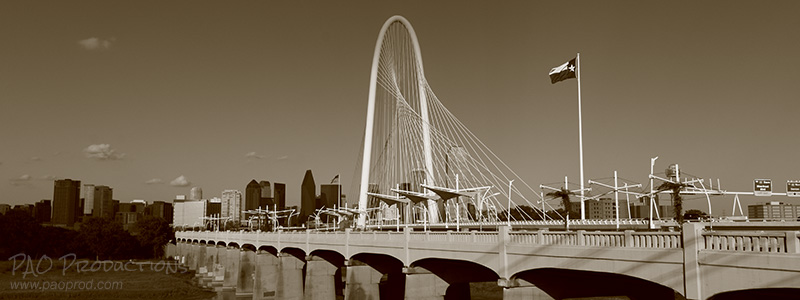

Note that I already penned a blog post spotlighting early Dallas cabinet cards, so I'm not including anything from that category of photos here. Some of these have seen prior publication in this blog in previous entries.
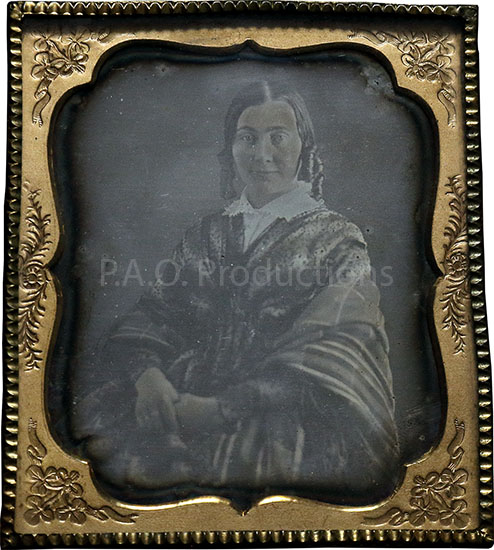
Daguerreotype of young lady, 1/6 plate, circa 1840s
This portrait of a young lady is said to date to sometime during the 1840s, making it the oldest photo in my collection as of this writing. The ringlets in the woman's hair are a particular draw for me stylistically, and, unlike most photos from this period, you can see a bit of a smile playing upon her lips. Daguerreotypes consist of sheets of silver-plated copper, very highly polished and chemically treated to be light-sensitive. The image consists of the same silver as the surface upon which it sits, meaning that the appearance of the photo alternates between a positive and negative image depending on how the available light hits it. Daguerreotypes are very fragile objects and are usually presented behind glass-plated frames, which are stored inside latched, decorative cases. Mine came without a case, but I immediately placed it into one upon receipt.Unfortunately, I have no information on the location, the photographer, or the identity of the woman in the photo. What I can say is that having one daguerreotype makes me want to have another. This was purchased from an online seller in mid-January 2025.
Group of former slaves, circa 1870s
This image, the oldest paper print in my collection as of this writing, is said to date to the 1870s and to depict former slaves. Exactly where this was taken - presumably somewhere in the Deep South - is unknown, and there is no writing on the back to provide a suggestion of locale or of the identity of anyone pictured. The damage to this one is pretty severe and the print itself quite fragile and crumbling, so I made sure to scan it at a resolution much higher than normal so as to avoid ever physically handling it again. The two pieces are held together on the back by aged black tape. This was acquired via an eBay auction and is not of a subject matter that normally appeals to me, but it presented a rare opportunity to have an uncommon piece of history.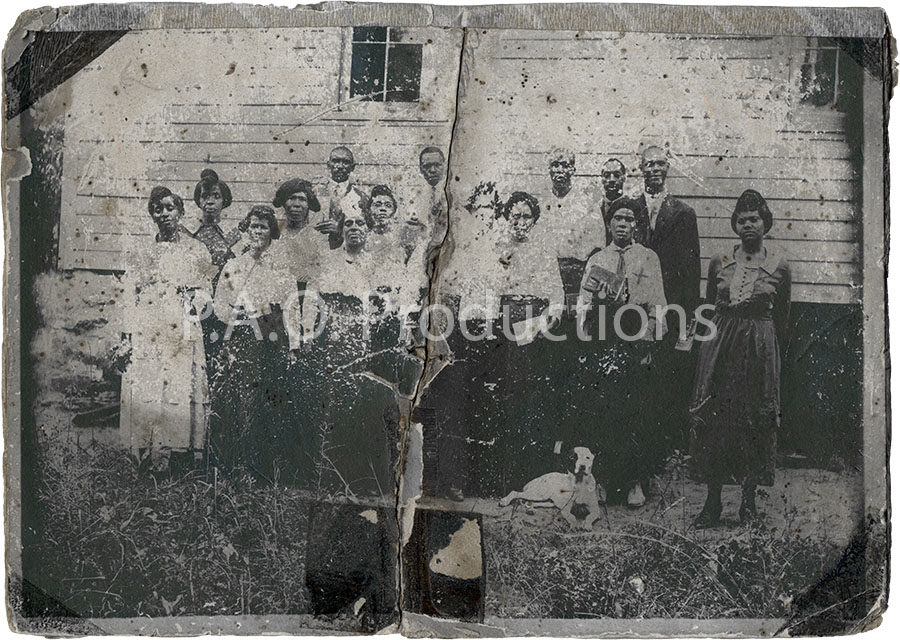
Bonsecours Market in Montreal, 1880s
This photo, dating to the 1880s, depicts the Bonsecours Market in Montreal as viewed facing north from the present-day corner of Rue Saint-Paul and Rue du Marché Bonsecours. This area looks radically different in the 21st century: the old power lines and utility poles are long gone, as are the rail lines and of course the horses and buggies. The market itself opened for business in 1847 and is still in use today. My "More vintage photo snapshots" blog post from May 2024 includes some of my own (obviously far more recent) photos of the market. I obtained this via an online auction in early 2024.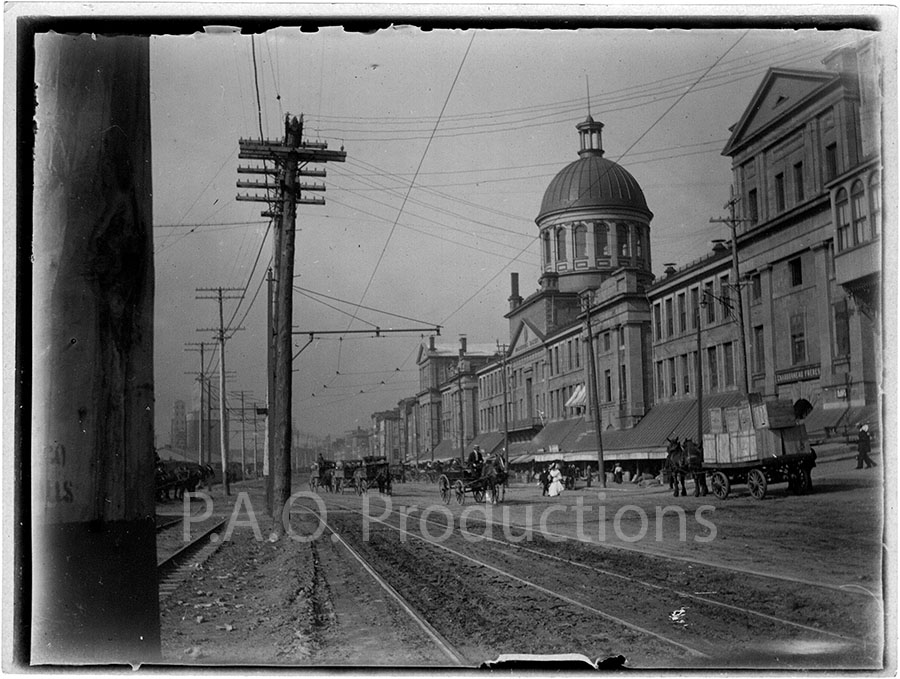
Nelson's Monument, Montreal, circa 1890
I occasionally pick up stereoview cards when I come across them, provided they picture scenes and places that I've either visited or find attractive. This one depicts the view facing northwest from the Place Jacques-Cartier, in the direction of the monument to Anglophone hero Horatio Nelson. I've visited here on each of my trips to the city, and a spot near Le Champ-de-Mars, seen in the far distance of the photo, has become a habitual stop for me as I turn toward Downtown to take a photo. I believe this to be my oldest stereoview as of this writing.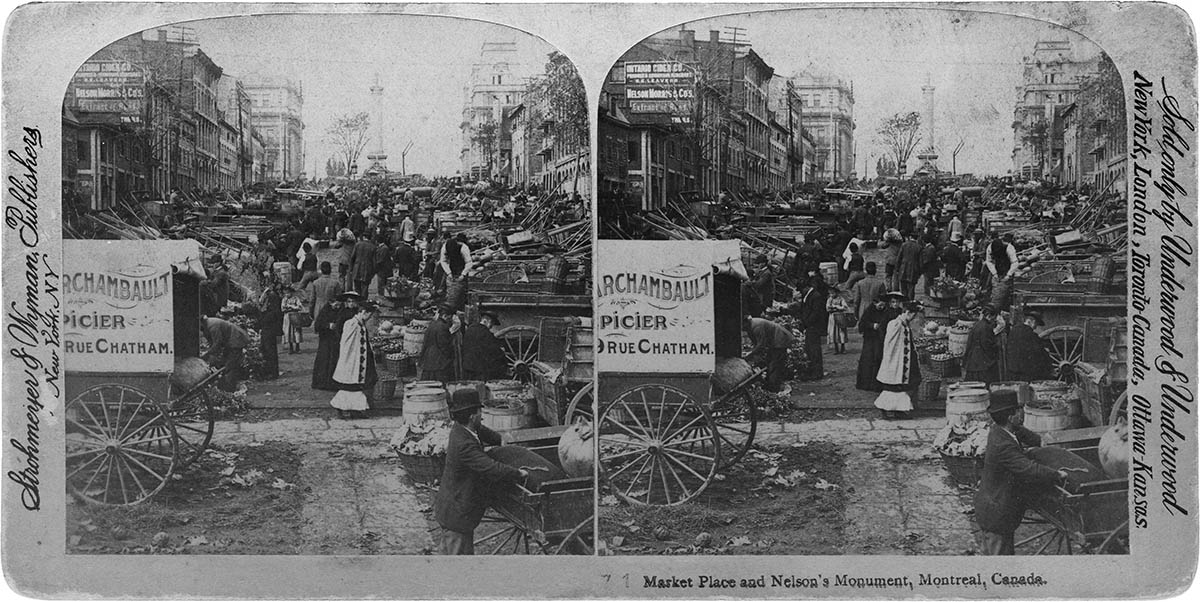
Victorian garden party, probably late 19th century
This antique, card-mounted photo depicts what appears to be a garden party. Based on the clothing styles and the materials used for the print, I'm tentatively dating this to the late 1800s or extremely early 1900s. From what I can tell, the attendees appear to be enjoying bananas and drinks (presumably tea). This was found inside a Dallas antique store.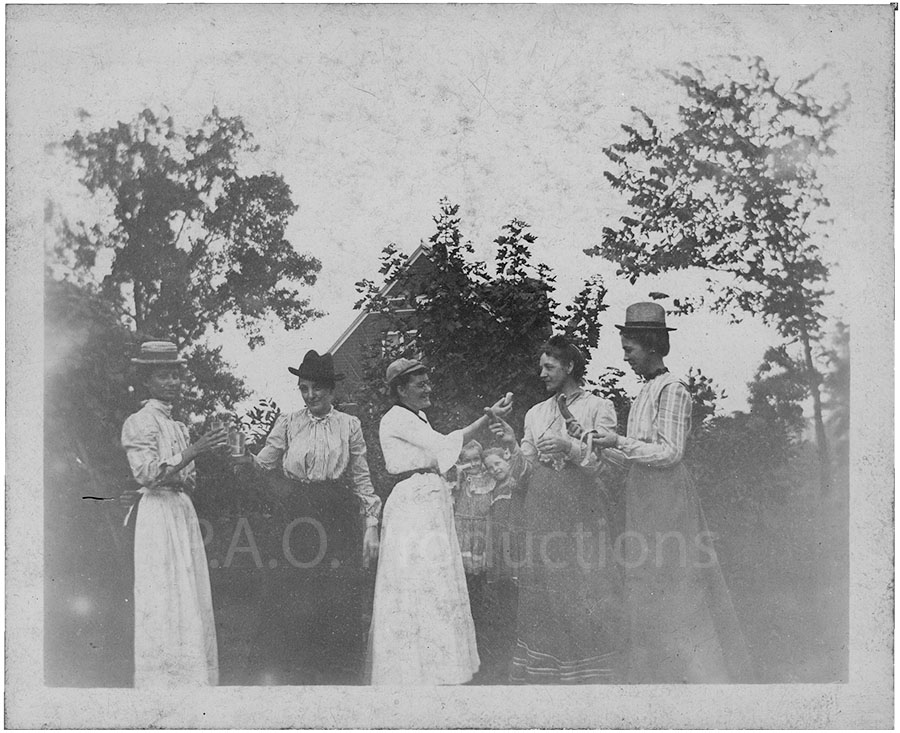
Van Corlear building in New York, circa 1905
This small (approximately 2.25 x 3.25 inch) photo depicts the Van Corlear apartment building in Midtown Manhattan, as seen circa 1905. The photographer's vantage point appeared to be somewhere along 7th Avenue near W 56th Street. The two "X" marks on the top left of the building denote where someone (the photographer?) was married by a Reverend Collyer, but the handwriting on the back of the photo is partially obscured due to photo album residue. The handwriting reads: "Where the crosses appear shows [illegible] married - Rev. Collyer's [illegible] it is just across the street from Carnegie Hall. We took the picture from our window. N.Y.C." The Van Corlear was demolished in 1921, and the present-day Park Central Hotel stands at its former location.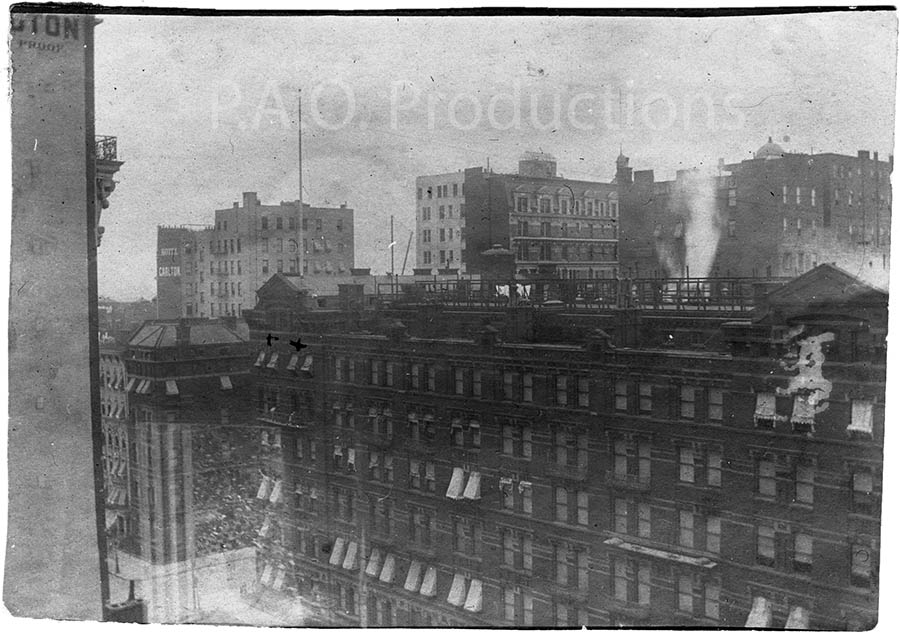
St. Paul's Methodist Episcopal Church, circa 1900-1910
This card-mounted photo depicts the long gone St. Paul's Methodist Episcopal Church, which once stood at the corner of Lamar and West 7th Streets in Fort Worth. The group posed in front of it appears to be a chapter of the Texas Holiness Association, which dates this photo to the period between 1900 and 1910. The handwriting on the back reads as follows: "Picture of the Church House in Ft. Worth Texas where the Texas Holliness [sic] association was held. In this building is where I was examined and received my first Licins [sic] from my organization to start out to tell people about a Christ that can and will save from all sin. From Walter to Mother." The church was demolished in the 1920s.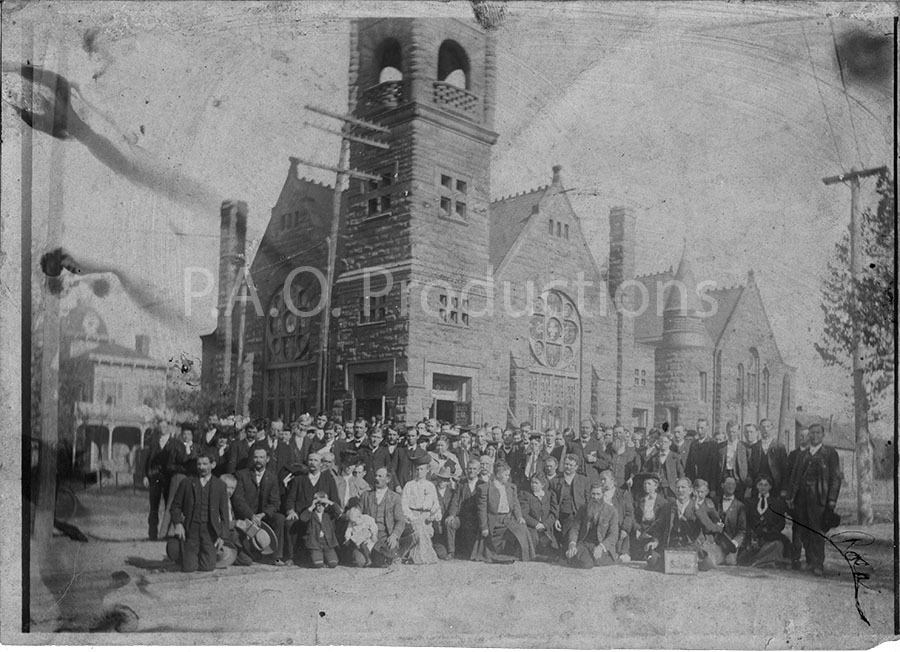
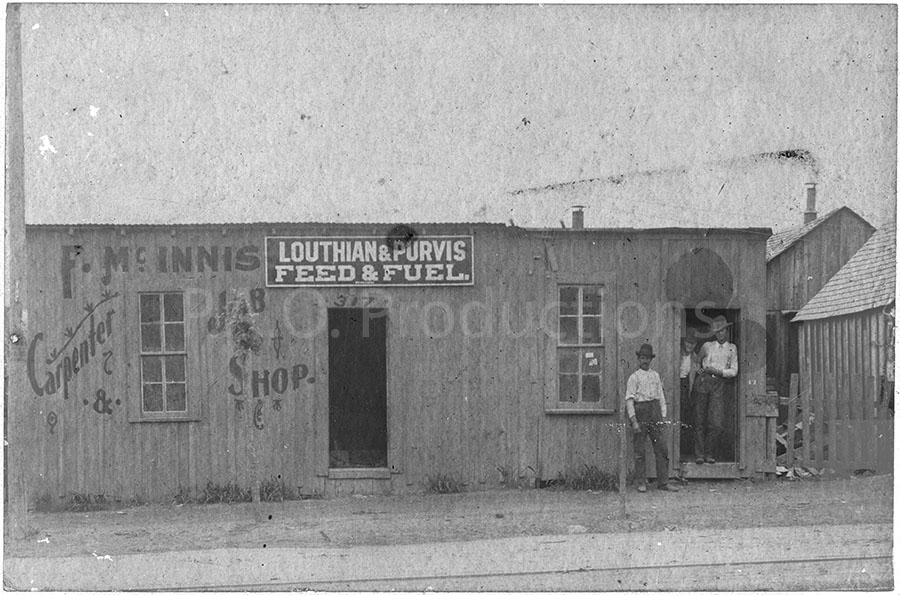
Louthian & Purvis Feed & Fuel shop, circa 1905-1910
This severely faded, card-mounted photo depicts the very enigmatic Louthian & Purvis Feed & Fuel shop early in the 20th century. I believe the shop to have existed in Fort Worth, likely in an area of town known today as the Historic Southside. Unfortunately, information conclusively tying it to this or any other specific area is frustratingly elusive. My belief that the shop stood in the Historic Southside is based on research done by Gaby Kienitz, librarian-archivist for the Fort Worth History Center, whose assistance was invaluable in helping narrow down the most likely location of the property inside the county (many thanks to her for all her efforts).As far as the eponymous Louthian and Purvis are concerned, handwriting on the back of the card names three individuals, presumably the three shown standing in and near the entrance: John Purvis, Andrew Dobson, and Olin Louthian. Purvis and Louthian were half-brothers whose family I have been able to place in the area as of about 1890. This, taken with the available genealogical records, suggests a year close to 1910 for the taking of this picture. And although not definitive, the results of Ms. Kienitz's research do not contradict this possibility. Hopefully, information will one day surface that penetrates the fog of mystery surrounding this photo, revealing the location (and hopefully history) of the shop.