The adventures and various works of a photographer, road tripper, former patron of the local arts, aspiring app developer, and late night coffee drinker and conversationalist.
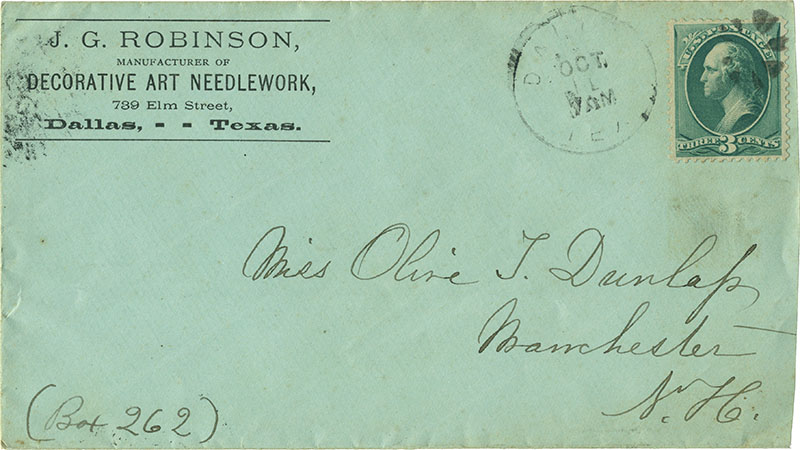
Antique postal covers, letterheads, and business cards provide fascinating glimpses into the commerce, politics, and correspondence of earlier eras, so they make interesting collectibles for those of us who appreciate history from a more intimate perspective. Some time ago I acquired an old postal cover for an obscure business concern on Elm Street. This particular envelope bears postmarks of early October with no year, and the logo and return address of J.G. Robinson, manufacturer of decorative art needlework. Dallas has had its share of well known craft and apparel fabricators, but lurking quietly among them were many smaller, more modest outfits whose stories have been forgotten. What was the story of J.S. Robinson Needlework, and of the man behind it?
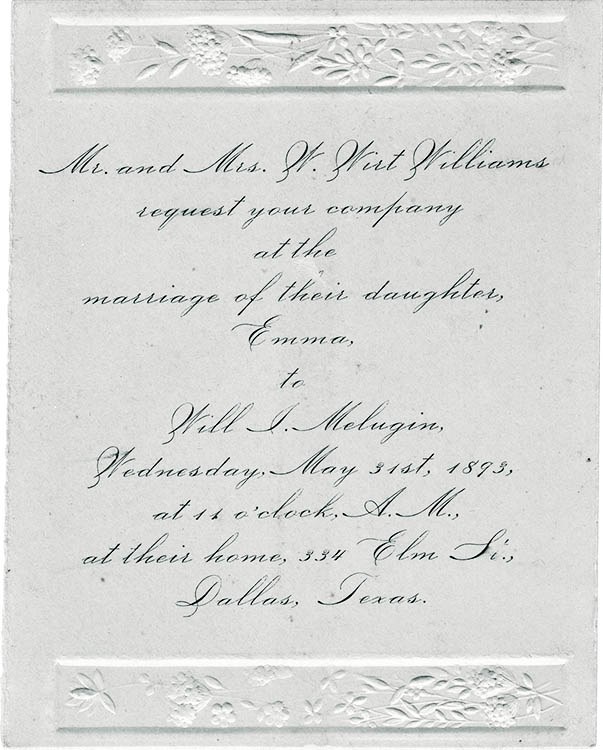
Two months ago I came across an unusual find while browsing through online auctions. That find was an antique wedding invitation, originating from my hometown of Dallas and dating to the late 19th century. A quick look at the card showed the location for the upcoming ceremony to be 334 Elm Street, an address familiar to me as the site of a well-established 1800s photography studio downtown. A second, closer look revealed the advertised bride to be the daughter of W. Wirt Williams, a name associated with nineteenth century Dallas photography and whose most well known studio was located at the 334 Elm address. I immediately recognized the wedding invitation as an item of interest as part of my ongoing early Dallas photography blog series.
While the most notable early photographers operating out of Dallas have been documented, there are many for whom little to no information appears to have been preserved. These photographers and their studios present very challenging subjects for research, but that’s no reason to deny them their places in local history. With this installment in my Early Dallas photography series, I'm going to try to shine a light on those places in history, piecing together fragments of information found in the historical record.
Even though it's been a while and I've been working on multiple other ongoing projects, I am still continuing work on the Ghosts of DFW music history blog series. There are several upcoming installments that have been in development for some time, delayed in large part by my efforts to secure interviews and gather relevant historical materials and memorabilia. Much of said memorabilia is tied to venues which have not heretofore been covered in depth, and this has meant having to dig deep to get my hands on period collectibles and ephemera. And in the case of Dallas's early punk years, those collectibles have included old fanzines.
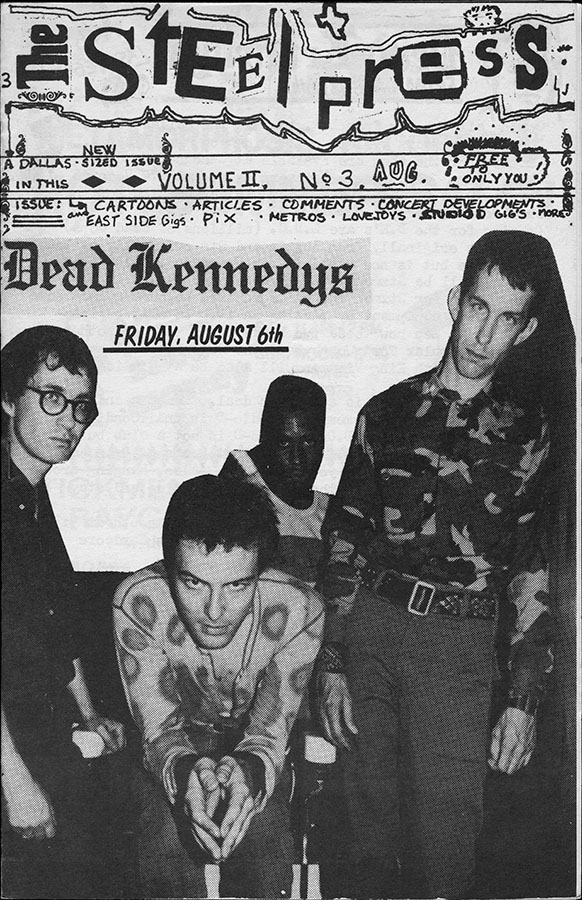
The Steel Press dates to the early 1980s. First published in April 1982, the premiere issue featured a cover story of Bad Brains playing the Hot Klub, as well as interviews with The Assassins and The Judys and various local concert listings. The two issues I've been able to obtain date to August 6th of that year and to an unspecified date after that (apparently around October 1982). Studio D, the Hot Klub, and VVV Records (all subjects of upcoming Ghosts installments) feature prominently, as do advertisements from Metamorphosis Records and listings of top-selling punk and new wave releases. The earlier issue features a cover photo of the Dead Kennedys, reproduced in a very-much-of-its-time Xerox machine style. The later issue originally appeared in two variants, the first of which included a cover story about the newly-opened Ground Zero, "Dallas's first nuclear bar." That variant is the one I have in my collection.
The Steel Press, August 6, 1982
Given the rarity of these items, and my belief that local history should be accessible to the general public rather than locked away in historical archives (even when said archives are my own), I've uploaded both of them in full to the Internet Archive here. Per a statement from the editors in the Dead Kennedys issue, "all or part of this publication may be reproduced or edited for the advancement of music and for the benefit of those who create music." Presumably (hopefully) this applies to the Ground Zero issue as well.
Rail Club, November 2013. Photo courtesy Metal Mina Pics.
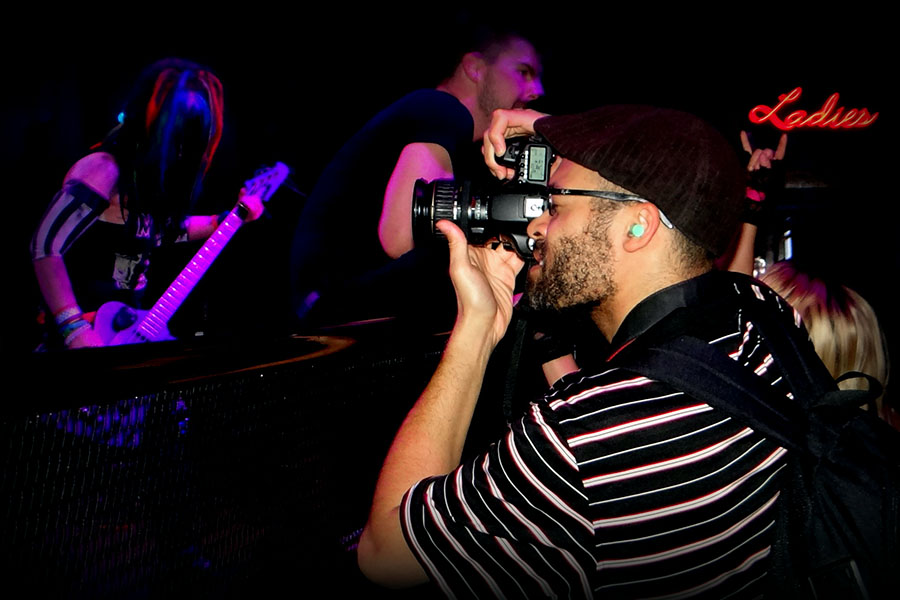
I spent about nine years as a photographer documenting bands in the Dallas-Fort Worth music scene. That journey was a starting point for my interest in local music history, and having a place to showcase my photos from that experience was a prime factor in my decision to establish this website in January 2008. This series tells the story of that journey.