The adventures and various works of a photographer, road tripper, former patron of the local arts, aspiring app developer, and late night coffee drinker and conversationalist.
Now that we're more than a month into 2026, it's past time to formalize my plans for the year as far as what I'm hoping to accomplish, and what I am in need of to achieve those goals. There are the usual resolutions having to do with improving my overall health and aspects of my social life, and, as with last year, there's the need to compile a list of items I need to be on the lookout for to realize my blog and various personal projects. And so, once again, I've compiled my list of "must have" and "would be nice" items that will help make those goals and aspirations a reality throughout 2026. If anyone is aware of a source for any of the following items, or has some he or she is willing to donate, potentially sell, or just allow the use of for various blog features and/or research projects, please reach out to me.
A little over fifteen years ago, I produced and released a compilation of recordings from Alex Pogosov's and my open mic at Bill's Records. This CD, ultimately numbering around 200-250 copies, was conceived as a means of promoting the weekly gathering at Bill's and featured performances by a number of our regulars up to that point in time. More than a decade and a half later, I've had that promotional album cut to vinyl, fulfilling a long harbored fantasy dating all the way back to childhood. I'm just barely old enough to (dimly) remember actual records being played on the radio, and when I was three and four years old I wanted to make one of my own. Today's manufacturing on demand services have now made that possible.
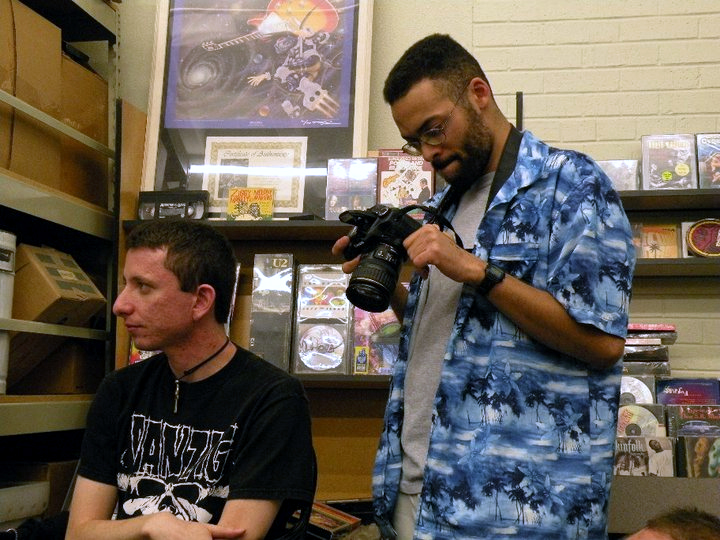
The Lost Art showrunners in 2010. Photo by Lilly Penhall.
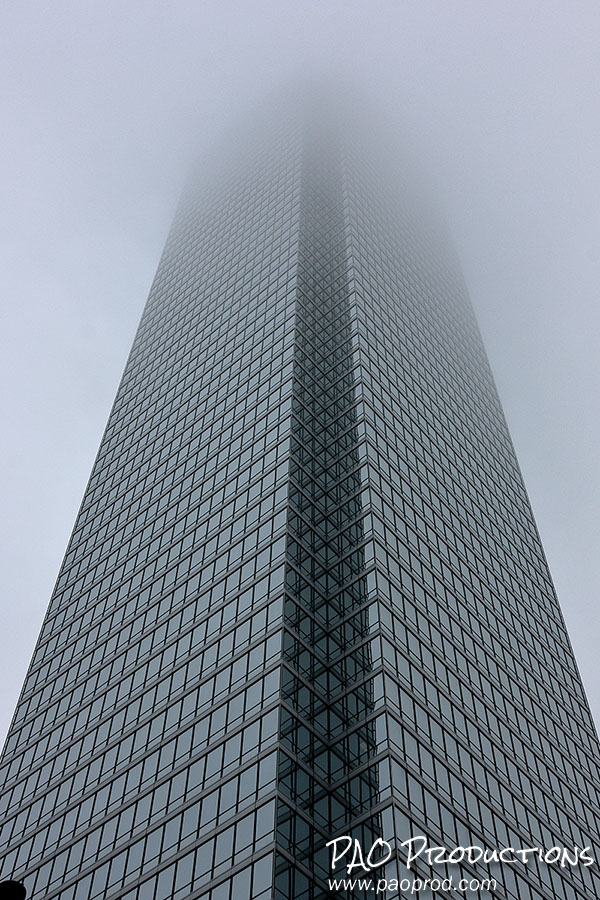
Now that the new year is officially underway, it's time for my annual recap of the past year and confirmation of plans for the upcoming twelve months. 2025 saw a grand total of thirty-one blog posts, the first of them presenting a trio of ticket stubs for the former Capri Theatre in Dallas, and the final one picturing the ascent of the Bank of America building in downtown Dallas ascending into the morning fog. My original plan for the year was to publish blog updates weekly, a goal which was definitely attainable, but one which I ultimately fell short of meeting. The reasons for this are varied, but in short they had to do with time requirements involved for multiple deeply researched posts, outside commitments, and, by the latter part of the year, personal considerations outside the scope of this blog. I stopped work almost entirely for over a month late in 2025, and between October and December, only three blog posts were made, two of them being very low effort. I started off the year stronger than I finished it.
New York-born photographer Arthur Rothstein made a name for himself with his many series of photos documenting America. His long career earned him recognition for his work as a photojournalist, author, and teacher, but it is perhaps his Great Depression era work, undertaken at the behest of the U.S. Farm Security Administration, for which he is best remembered today. In 1942, this assignment brought him to North Texas and to the old Fort Worth-Dallas Highway, where his photographer's eye led him to capture a string of period businesses and landmarks along the way. These images would become important historical records of their period in history, all of them eventually seeing reproduction on prints, postcards, and historical publications and websites time and time again in the decades since.